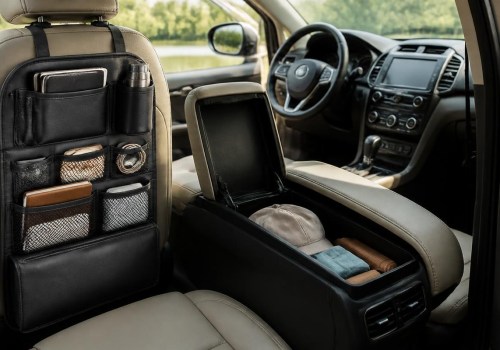
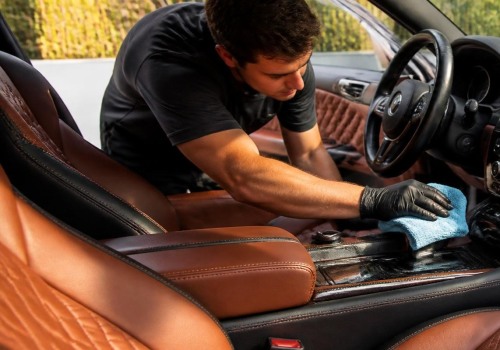
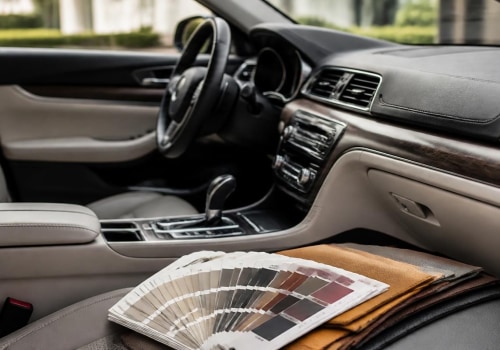
Car interior customization has become an increasingly popular trend among vehicle owners who seek to enhance both the aesthetics and comfort of their cars. This process goes beyond mere aesthetics; it allows individuals to express their personal style while also improving the overall driving experience. One of the most impactful ways to achieve this is through reupholstering car seats, a practice that not only revitalizes the look of your vehicle but also contributes to its longevity. When considering car interior customization, it's essential to understand the various options available. Reupholstering car seats involves replacing the fabric or leather covering of the seats, which can significantly alter the interior's ambiance.
Whether you prefer luxurious leather, durable fabric, or a unique pattern, reupholstering provides an opportunity to tailor your car's interior to your specific tastes and needs. The benefits of car upholstery extend beyond visual appeal. New upholstery can enhance comfort, support, and even safety by ensuring that the seats are in optimal condition. Additionally, a well-maintained interior can increase the resale value of your vehicle, making it a wise investment for any car owner. As you embark on your journey of car interior customization, understanding these elements will help you make informed decisions that elevate your driving experience.
Why Reupholster Car Seats?
Reupholstering car seats is a significant aspect of car interior customization that offers numerous advantages.Whether you're looking to enhance the aesthetic appeal of your vehicle or improve its overall comfort, reupholstering can be a worthwhile investment.Reasons to Reupholster Car Seats:
- Aesthetic Improvements: Over time, car seats can become worn, faded, or stained. Reupholstering allows you to choose new fabrics and colors that match your personal style and the overall theme of your car's interior.
- Increased Comfort: Original upholstery may not provide the level of comfort you desire. By selecting high-quality materials and padding, you can significantly enhance the seating experience, making long drives more enjoyable.
- Enhanced Durability: New upholstery can be made from materials that are more resistant to wear and tear, ensuring that your seats remain in good condition for years to come.
- Value Addition: A well-maintained interior can increase the resale value of your vehicle. Potential buyers often look for cars with clean and attractive interiors, making reupholstering a smart choice if you plan to sell your car in the future.
- Customization Options: You have the freedom to choose from a wide range of fabrics, colors, and patterns, allowing for a truly personalized touch.
- Improved Safety: Worn-out upholstery can compromise safety features like airbags.
New upholstery ensures that these features function correctly and effectively.
- Eco-Friendly Choices: Many reupholstery services offer sustainable materials, allowing you to make an environmentally conscious decision while upgrading your vehicle.
Materials Needed for Reupholstering Car Seats
Reupholstering car seats is an exciting project that allows you to personalize your vehicle's interior. To ensure a successful outcome, it's essential to gather the right materials and tools before you begin. Below is a comprehensive list of what you'll need.Essential Materials for Car Seat Upholstery
- Upholstery Fabric: Choose a durable fabric that suits your style and needs.
Popular options include leather, vinyl, and canvas. Leather offers a luxurious feel, while vinyl is easier to clean and maintain.
- Foam Padding: New foam padding can enhance comfort and support. Look for high-density foam that retains its shape over time.
- Batting: This soft material is used to wrap around the foam for added cushioning and a smoother finish.
- Thread: Use heavy-duty upholstery thread that matches your fabric color for durability.
- Adhesive: A strong adhesive or spray glue can help secure the foam and batting in place.
Tools for Reupholstering Car Seats
- Sewing Machine: A heavy-duty sewing machine is crucial for stitching upholstery fabric and thread together.
- Staple Gun: This tool is essential for attaching the fabric to the seat frame securely.
- Screwdrivers: You'll need various screwdrivers to remove the seats from your vehicle and disassemble them as needed.
- Utility Knife: A sharp utility knife will help you cut fabric and foam accurately.
- Pliers: Use pliers to remove old staples or tacks from the seat frame.
Step-by-Step Process of Reupholstering Car Seats
Reupholstering car seats can seem daunting, but with the right tools and a bit of patience, you can achieve a professional-looking result.Here’s a step-by-step guide to help you through the DIY car seat upholstery process.
- Gather Your Tools and Materials:
- Upholstery fabric
- Foam padding (if needed)
- Screwdriver
- Staple gun and staples
- Scissors
- Measuring tape
- Seam ripper
- Sewing machine (optional)
- Remove the Seats: Start by removing the car seats from your vehicle. This usually involves unscrewing bolts or clips that hold the seats in place. Make sure to disconnect any electrical connections for heated seats or airbags.
- Take Apart the Seat Covers: Use a seam ripper to carefully remove the existing upholstery. Take note of how the fabric is attached, as this will guide you in reassembling the new covers.
- Prepare the Foam Padding: Inspect the foam padding for wear and tear.
If it’s damaged, replace it with new foam cut to size. This step is crucial for comfort and support.
- Cut New Upholstery Fabric: Measure and cut your new upholstery fabric according to the dimensions of the old covers. Leave extra material for seams and adjustments.
- Attach New Fabric: Begin attaching the new fabric to the seat frame, starting from one end and working your way around. Use a staple gun to secure the fabric tightly, ensuring there are no wrinkles.
- Reassemble the Seats: Once the new upholstery is securely attached, reassemble any components you removed earlier.
Make sure everything is aligned correctly before tightening screws or clips.
- Install Seats Back in Vehicle: Finally, reinstall the seats in your car, reconnecting any electrical components as necessary. Ensure they are securely fastened before taking your vehicle for a test drive.
Tips for a Successful Reupholstering Project
Reupholstering car seats can be a rewarding project, but it requires careful planning and execution to achieve the best results. Here are some tips for a successful reupholstering project that can help you avoid common mistakes and ensure a professional finish.- Choose the Right Materials: Selecting high-quality upholstery fabric is crucial. Look for materials that are durable and easy to clean, especially if you have children or pets.
Consider options like leather, vinyl, or heavy-duty fabrics designed for automotive use.
- Take Accurate Measurements: Before purchasing fabric, measure your seats carefully. This will help you avoid running out of material mid-project. Always add a little extra to account for mistakes or miscalculations.
- Prepare Your Workspace: A clean, organized workspace will make the reupholstering process smoother. Ensure you have all necessary tools on hand, such as a staple gun, scissors, and a sewing machine if needed.
- Document the Process: Take photos of each step as you disassemble your seats.
This will serve as a helpful reference when you’re ready to put everything back together.
- Practice Patience: Rushing through the project can lead to mistakes. Take your time to ensure each step is done correctly, from removing old upholstery to applying new fabric.
- Skipping the Cleaning Step: Always clean your seats thoroughly before starting. Dirt and grime can affect adhesion and the overall appearance of your new upholstery.
- Ignoring Structural Issues: Check for any damage to the seat frame or foam padding before reupholstering. Addressing these issues early can save you time and effort later.
- Not Using Enough Fasteners: Ensure that you use enough staples or fasteners to secure the fabric properly.
Insufficient fastening can lead to sagging or shifting over time.
Frequently Asked Questions About Car Seat Reupholstering
When considering car seat reupholstering, many people have questions about the process, timeline, and benefits. Here are some of the most frequently asked questions:What is the typical process for reupholstering car seats?
The reupholstering process generally involves several key steps:- Assessment: A professional will evaluate the condition of your car seats to determine the extent of repairs needed.
- Material Selection: You can choose from a variety of fabrics, leathers, and colors to customize your car interior.
- Removal: The existing upholstery is carefully removed from the seats.
- Repairs: Any necessary repairs to the seat structure or padding are made before new upholstery is applied.
- Reupholstering: The new material is fitted and secured onto the seats, ensuring a snug and professional finish.
- Final Inspection: The completed seats are inspected for quality and comfort before being reinstalled in your vehicle.
How long does reupholstering take?
The duration of the reupholstering process can vary based on several factors, including:- The type of vehicle and complexity of the seats.
- The availability of materials chosen for customization.
- The workload of the upholstery shop.
What are the benefits of reupholstering car seats?
Reupholstering your car seats not only enhances the aesthetic appeal of your vehicle but also:- Improves Comfort: New upholstery can provide better support and comfort during drives.
- Increases Resale Value: A well-maintained interior can significantly boost your car's resale value.
- Personalization: Custom fabrics and designs allow you to express your personal style through car interior customization.
Conclusion: Elevate Your Car's Interior with Reupholstery
In conclusion, reupholstering car seats is not just a practical solution for worn-out interiors; it is a transformative process that significantly enhances your vehicle's overall aesthetic and comfort.By investing in car interior customization, you can tailor your car's seating to reflect your personal style while improving its functionality.Throughout this article, we explored the various steps involved in reupholstering car seats, from selecting the right materials to the actual installation process. Each step is crucial in ensuring that the final result meets your expectations and elevates your driving experience.
- Enhanced Comfort: New upholstery can provide better support and cushioning, making long drives more enjoyable.
- Personalized Style: With countless fabric options available, you can choose colors and textures that resonate with your taste.
- Increased Vehicle Value: A well-upholstered interior can significantly boost your car's resale value, making it a smart investment.