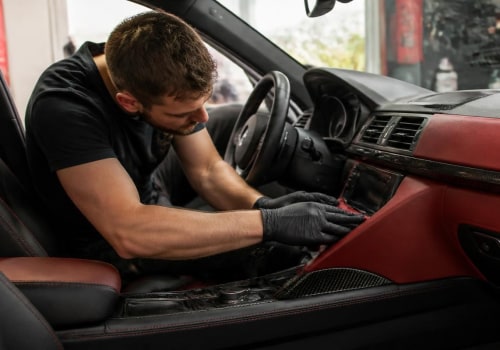
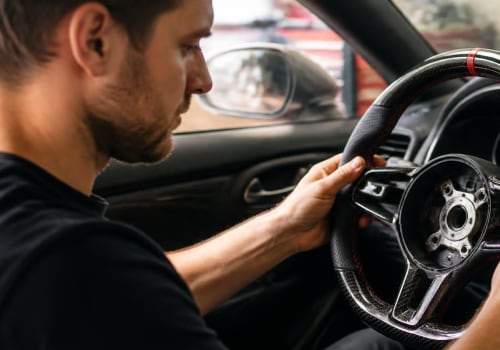
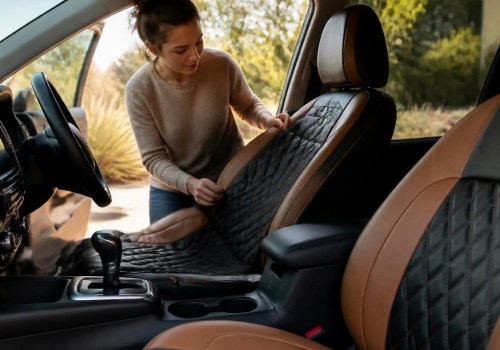
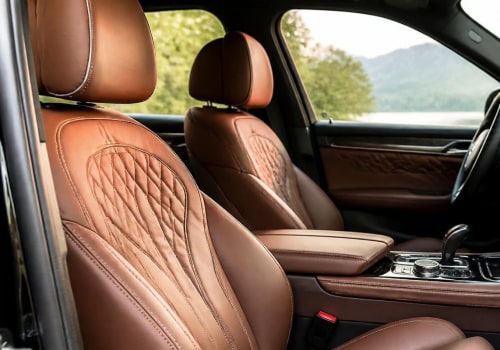
Car interior customization is an exciting way to personalize your vehicle, transforming it from a standard mode of transportation into a unique reflection of your style and preferences. This process involves modifying various elements within the car's interior, including upholstery, dashboard design, lighting, and even technology integration. By tailoring these aspects, car owners can enhance both the aesthetic appeal and functionality of their vehicles. The significance of car interior customization extends beyond mere aesthetics. It offers numerous benefits that can improve your driving experience.
For instance, customizing your car's interior can lead to increased comfort through ergonomic seating and high-quality materials. Additionally, personalized interiors can boost resale value, as potential buyers often appreciate unique features that set a vehicle apart from others on the market. Moreover, car interior customization allows for the incorporation of modern technology, such as advanced infotainment systems and ambient lighting, which can make driving more enjoyable and convenient. As you embark on this journey of customization, it's essential to understand not only the possibilities but also the common pitfalls that many enthusiasts encounter. By being aware of these mistakes, you can ensure that your customization project is both successful and satisfying.
Mistake #1: Ignoring Your Vehicle's Original Design
When it comes to car interior customization, one of the most significant mistakes enthusiasts make is ignoring the vehicle's original design.Every car is crafted with a specific aesthetic and functional purpose in mind, and deviating too far from this can lead to an unappealing or mismatched interior.Respecting the original design not only enhances the overall look of your vehicle but also maintains its resale value. Here are some key points to consider:
- Consistency in Style: The interior elements should complement each other. For instance, if your car has a sporty design, adding overly luxurious or vintage elements can create a jarring contrast.
- Material Harmony: Using materials that clash with the original upholstery can detract from the vehicle's aesthetic. Stick to materials that align with the car's initial design philosophy.
- Functional Integrity: Customizations should not interfere with the functionality of existing features.
For example, altering the dashboard layout might hinder access to essential controls.
Mistake #2: Overlooking Quality Materials
When it comes to car interior customization, one of the most critical mistakes enthusiasts make is overlooking the importance of quality materials.While it may be tempting to cut costs by opting for cheaper alternatives, this decision can lead to a range of issues that compromise both aesthetics and functionality.
Risks of Cheap Materials
- Durability: Low-quality materials often lack the durability needed to withstand daily wear and tear. This can result in premature fading, cracking, or peeling, which not only detracts from the vehicle's appearance but also necessitates costly repairs or replacements.
- Comfort: Cheaper upholstery may not provide the same level of comfort as higher-end options. Materials that are rough or poorly padded can lead to an uncomfortable driving experience, especially on long journeys.
- Aesthetic Appeal: The visual impact of your car's interior is significantly influenced by the materials used. Cheap materials can give off a subpar look, diminishing the overall appeal of your customization efforts.
Choosing Quality Materials
Investing in high-quality materials not only enhances the longevity of your car's interior but also elevates its overall value.
Consider options such as:
- Genuine Leather: Known for its durability and luxurious feel, genuine leather can withstand years of use while maintaining its elegance.
- High-Grade Fabrics: Look for fabrics that are specifically designed for automotive use, as they offer better resistance to stains and fading.
- Premium Plastics and Metals: For trim and accents, opt for high-quality plastics or metals that provide a more refined look and feel.
Mistake #3: Neglecting Functionality and Comfort
When it comes to car interior customization, many enthusiasts fall into the trap of prioritizing aesthetics over functionality and comfort. While a visually stunning interior can turn heads, it’s essential to remember that the primary purpose of your vehicle is to provide a comfortable and practical driving experience.Functionality First
- Ergonomic Design: One of the most critical aspects of car interior customization is ensuring that the design is ergonomic. Seats should support your body properly, and controls should be easily accessible without causing strain.
Neglecting these factors can lead to discomfort during long drives.
- Storage Solutions: Customizing your car’s interior often involves adding new features or removing existing ones. However, it’s vital to maintain adequate storage options. A cluttered cabin can distract you while driving and reduce overall comfort.
- Visibility: Altering the dashboard or adding large decorative elements can obstruct your view of essential instruments or the road. Always consider how changes affect visibility and safety.
Comfort Matters
- Climate Control: Custom materials may look great but can affect temperature regulation inside the car.
For instance, leather seats can become uncomfortably hot in summer. Choose materials that balance aesthetics with comfort.
- Noisy Interiors: Some customization options may inadvertently increase noise levels inside the cabin. Soundproofing materials can help maintain a peaceful environment, enhancing your overall driving experience.
- Adjustability: Ensure that any new seating or steering wheel configurations allow for adjustments. A one-size-fits-all approach can lead to discomfort for drivers of different heights and sizes.
Striking a balance between aesthetic appeal and practical design will ensure that your customized car interior is not only beautiful but also a joy to drive.
Mistake #4: Skipping Professional Help
When it comes to car interior customization, many enthusiasts are tempted to take the DIY route. While personalizing your vehicle can be a rewarding experience, skipping professional help can lead to costly mistakes and unsatisfactory results. Understanding when to hire a professional is crucial for achieving the desired outcome.Risks of DIY Projects
- Quality of Materials: Many DIYers may not have access to high-quality materials that professionals use. This can result in a subpar finish that diminishes the overall aesthetic of your car.
- Technical Skills: Customizing car interiors often requires specialized skills, such as upholstery work or electrical wiring.
Without the right expertise, you risk damaging your vehicle or creating safety hazards.
- Time Consumption: DIY projects can take significantly longer than anticipated. What seems like a weekend project could stretch into weeks, leaving your car unusable.
When to Hire a Professional
If you're considering professional car customization services, here are some scenarios where hiring an expert is advisable:
- Complex Modifications: If your project involves intricate designs or advanced technology, such as installing a new sound system or custom lighting, it's best to consult a professional.
- Restoration Projects: For older vehicles needing restoration, professionals can ensure that the work is done correctly and maintains the vehicle's value.
- Lack of Experience: If you're unsure about your skills or have never attempted car customization before, seeking help can save you from making irreversible mistakes.
Mistake #5: Failing to Plan a Budget
When embarking on a journey of car interior customization, one of the most critical aspects to consider is your budget. Failing to plan a budget can lead to a series of financial pitfalls that may derail your project and leave you with an unsatisfactory outcome.First and foremost, it’s essential to understand the cost of car interior changes.Customization can range from simple upgrades, like new seat covers or floor mats, to extensive modifications such as installing a new sound system or reupholstering seats. Without a clear budget, you might find yourself overspending on certain elements while neglecting others that are equally important.
- Research Costs: Before diving into any customization project, take the time to research the costs associated with various upgrades. This includes materials, labor, and any additional fees that may arise.
- Set Priorities: Determine which aspects of your car interior are most important to you. Are you looking for comfort, aesthetics, or functionality? Prioritizing your needs will help you allocate your budget more effectively.
- Include Contingency Funds: It’s wise to set aside an additional 10-20% of your budget for unexpected expenses.
Customization projects often reveal hidden issues that need addressing, so having a financial cushion can save you from stress later on.
Mistake #6: Ignoring Safety Regulations
When it comes to car interior customization, one of the most critical aspects that often gets overlooked is adherence to car safety regulations.Ignoring these regulations can lead not only to legal issues but also compromise the safety of passengers. Customizing your vehicle's interior should enhance your driving experience, but it must be done with a keen awareness of the laws governing vehicle modifications.
Safety in car modifications
is paramount. For instance, alterations that affect the structural integrity of the vehicle, such as removing or modifying seats, can have serious implications during an accident. It’s essential to ensure that any changes made do not interfere with the functionality of safety features like airbags and seatbelts.- Check Local Laws: Before starting any customization project, familiarize yourself with local and state regulations regarding vehicle modifications.
Some states have strict guidelines on what can and cannot be altered.
- Consult Professionals: If you're unsure about the safety implications of a particular modification, consult with professionals who specialize in car interior customization. They can provide insights into safe practices and legal requirements.
- Document Changes: Keep a record of all modifications made to your vehicle. This documentation can be crucial if you ever face legal scrutiny or need to prove compliance with safety standards.
By doing so, you not only protect yourself and your passengers but also avoid potential legal issues that could arise from non-compliance.
Frequently Asked Questions about Car Interior Customization Mistakes
When it comes to car interior customization, many enthusiasts often have questions about the common pitfalls to avoid. Here are some frequently asked questions that can help guide your customization journey:- What are the most common mistakes in car interior customization?
One of the biggest mistakes is not planning ahead. Failing to have a clear vision can lead to mismatched colors and styles. Additionally, neglecting the functionality of the interior can result in a beautiful but impractical space. - How can I avoid overspending on my car interior?
Set a budget before starting your project and stick to it.Research materials and labor costs thoroughly. Consider DIY options for certain aspects of customization to save money.
- Is it important to consider resale value when customizing?
Yes, customizing your car can affect its resale value. Opt for modifications that appeal to a broader audience, and avoid overly personalized choices that may deter potential buyers. - What are some tips for choosing materials?
Always prioritize quality over cost. Look for durable materials that can withstand wear and tear.Additionally, consider how easy they are to clean and maintain.
- Should I hire a professional or do it myself?
It depends on your skill level and the complexity of the project. For intricate designs or electrical work, hiring a professional is advisable. However, simpler tasks like seat covers or floor mats can often be done at home.
Conclusion: Key Takeaways on Car Interior Customization Mistakes
In summary, car interior customization can significantly enhance your driving experience, but it is crucial to avoid common pitfalls that can lead to dissatisfaction or even safety issues. Here are the key takeaways to keep in mind:- Prioritize Functionality: Always ensure that your customizations do not interfere with the vehicle's functionality.
For instance, avoid oversized accessories that may obstruct visibility or controls.
- Choose Quality Materials: Opt for high-quality materials that are durable and easy to maintain. Cheap materials may save money initially but can lead to costly repairs or replacements down the line.
- Consider Professional Help: If you're unsure about your customization skills, consider hiring a professional. This can save you time and prevent mistakes that could compromise the integrity of your vehicle.
- Stay Within Budget: It's easy to get carried away with customization options. Set a realistic budget and stick to it to avoid overspending.
- Research Trends and Styles: While personal taste is important, staying informed about current trends can help you make choices that enhance the overall appeal of your car's interior.
Avoiding these common mistakes will lead to a more satisfying and enjoyable driving experience.