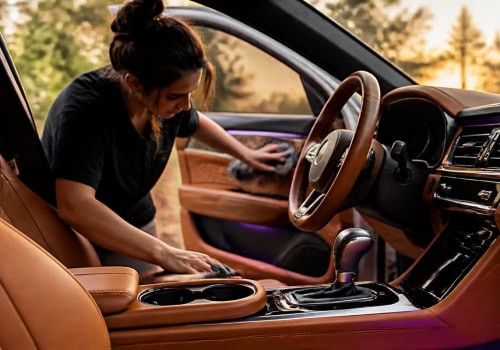
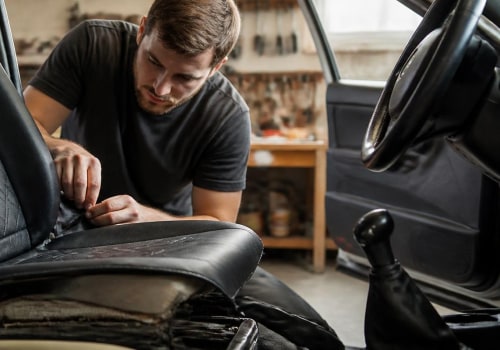
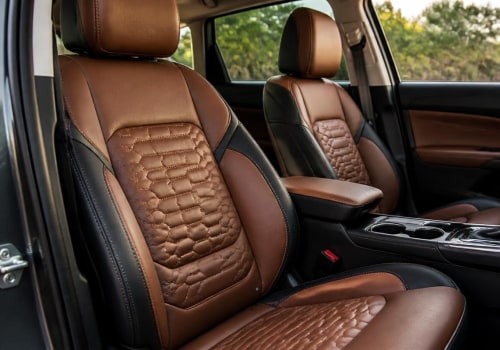
In recent years, car interior customization has emerged as a significant trend among automotive enthusiasts and everyday drivers alike. As vehicles become more than just a means of transportation, the desire to personalize and enhance the driving experience has led to a surge in innovative customization options. From luxurious materials to cutting-edge technology, the possibilities for transforming car interiors are virtually limitless. The growing popularity of car interior customization can be attributed to several factors. Firstly, consumers are increasingly seeking ways to express their individuality through their vehicles.
A customized interior not only reflects personal style but also enhances comfort and functionality. Additionally, advancements in technology have made it easier than ever to incorporate smart features into car interiors, allowing for a seamless blend of aesthetics and practicality. Moreover, the significance of car interiors extends beyond mere appearance; they play a crucial role in the overall driving experience. A well-designed interior can improve driver focus, increase safety, and elevate passenger comfort. As trends evolve, we see a shift towards sustainable materials and eco-friendly practices in customization, aligning with the growing awareness of environmental issues.
This shift not only caters to consumer preferences but also sets a new standard for the automotive industry. As we delve deeper into the latest trends in car interior customization, it becomes clear that this is more than just a fad; it represents a fundamental change in how we perceive and interact with our vehicles. Whether you're looking to upgrade your daily driver or create a unique showpiece, understanding these trends will empower you to make informed decisions that enhance both style and functionality.
The Rise of Personalization in Car Interiors
The demand for personalized car interiors has surged in recent years, reflecting a broader trend towards customization across various consumer markets. As car buyers increasingly seek to express their individuality, the automotive industry is responding with innovative options that cater to diverse tastes and preferences.According to a recent survey by Automotive News, over 60% of consumers expressed a desire for customizable features in their vehicles, with interior elements being a primary focus. This shift is not merely about aesthetics; it also encompasses functionality and comfort.Buyers are looking for ways to enhance their driving experience through tailored solutions.
- Color and Material Choices: One of the most significant trends in car interior customization is the availability of diverse color palettes and materials. From luxurious leather to eco-friendly fabrics, consumers are opting for interiors that reflect their personal style.
- Technology Integration: Modern car interiors are increasingly equipped with advanced technology. Features such as customizable ambient lighting, touchscreen interfaces, and integrated smart devices allow drivers to create an environment that suits their lifestyle.
- Ergonomic Designs: Comfort is paramount, and many manufacturers are now offering adjustable seating options and personalized climate controls. This trend highlights the importance of user-centric design in enhancing the overall driving experience.
Car enthusiasts frequently share their customized interiors online, inspiring others to explore similar options. This visibility has led to a greater demand for unique interior designs that stand out on the road.In conclusion, the trend towards car interior customization is driven by a desire for personalization that reflects individual tastes and enhances comfort. As consumer preferences continue to evolve, the automotive industry will likely expand its offerings to meet these demands, making personalized interiors a staple in future vehicle designs.
Innovative Materials for Interior Customization
In the realm of car interior customization, the choice of materials plays a pivotal role in defining both the aesthetic appeal and functionality of a vehicle's interior. As trends evolve, innovative materials are emerging that not only enhance luxury but also prioritize sustainability.Sustainable Materials
With growing awareness of environmental issues, many manufacturers are turning to sustainable materials for car interiors.Options such as recycled plastics, organic fabrics, and bamboo are gaining traction. These materials not only reduce the carbon footprint but also offer unique textures and finishes that can elevate the overall design. For instance, recycled PET (rPET) is being used for upholstery, providing a durable yet eco-friendly alternative to traditional fabrics.
Luxury Finishes
On the other end of the spectrum, luxury finishes continue to captivate car enthusiasts. High-quality leather remains a staple, but advancements in synthetic alternatives have made it possible to achieve similar aesthetics without compromising on ethics.Brands are now offering vegan leather options that mimic the look and feel of genuine leather while being more environmentally friendly.
- Alcantara: This premium material is often used in high-end vehicles for its soft texture and durability.
- Carbon Fiber: Known for its lightweight properties, carbon fiber is increasingly used in luxury interiors to add a sporty touch.
- Wood Veneers: Real wood veneers provide a classic elegance, with options ranging from walnut to exotic woods that can be customized to suit individual tastes.
Technology Integration in Car Interiors
The landscape of car interior customization is rapidly evolving, driven by advancements in technology that enhance both functionality and user experience. One of the most significant trends is the integration of smart car interiors, which leverage connectivity and automation to create a more intuitive driving environment.Modern vehicles are increasingly equipped with sophisticated infotainment systems that serve as the central hub for entertainment, navigation, and communication. These systems often feature:- Touchscreen interfaces: Large, high-resolution displays that allow for easy access to various functions.
- Voice recognition: Hands-free control of navigation, music, and phone calls, enhancing safety and convenience.
- Smartphone integration: Compatibility with platforms like Apple CarPlay and Android Auto, enabling seamless access to apps and services.
These systems allow drivers to customize the interior atmosphere according to their mood or preferences, using adjustable colors and intensities. This level of personalization not only enhances comfort but also contributes to a unique driving experience.
Advanced driver-assistance systems (ADAS)
are also becoming standard in many vehicles, integrating features such as adaptive cruise control, lane-keeping assistance, and automated parking. These technologies not only improve safety but also transform the way drivers interact with their vehicles.Moreover, the incorporation of artificial intelligence (AI) in car interiors is paving the way for predictive features that learn from user behavior. For instance, AI can adjust seat positions, climate controls, and even suggest routes based on previous trips.As we look ahead, the future of car interior customization will likely be defined by further advancements in technology.With ongoing innovations in connectivity and automation, drivers can expect an increasingly personalized and interactive experience that goes beyond traditional customization options.
Color Trends in Car Interior Customization
As we delve into the world of car interior customization, one of the most striking aspects is the evolving palette of colors that define modern vehicle interiors. In 2023, car manufacturers and customizers are embracing a variety of hues that not only enhance aesthetics but also resonate with the psychological preferences of drivers.Trending Colors for 2023
- Earthy Tones: Shades like terracotta, olive green, and muted browns are gaining popularity, reflecting a growing desire for connection with nature.
- Bold Accents: Bright colors such as electric blue and vibrant red are being used as accent colors, adding a dynamic touch to otherwise neutral interiors.
- Monochromatic Schemes: Many drivers are opting for sleek, monochromatic designs that utilize varying shades of a single color to create depth and sophistication.
The Impact of Color Psychology
Understanding color psychology is crucial for anyone looking to customize their car's interior.
Colors can affect emotions and behaviors, which is why selecting the right hue can enhance not only the visual appeal but also the overall driving experience. For example:
- Yellow: Often linked to optimism and creativity, yellow accents can brighten up an interior and stimulate positive feelings.
- Gray: A neutral choice that conveys sophistication and elegance, gray is perfect for those who prefer a more understated look.
- Purple: Associated with luxury and ambition, purple can add a unique flair to an interior while making a bold statement.
Eco-Friendly Customization Options
As consumers become increasingly aware of their environmental impact, eco-friendly car interior customization options are gaining popularity. This trend reflects a broader shift towards sustainability in various industries, including automotive design.Car owners are now seeking ways to personalize their vehicles while minimizing their carbon footprint.One of the most significant aspects of sustainable customization is the use of green materials. Manufacturers are exploring alternatives to traditional materials that often involve harmful chemicals and unsustainable practices. For instance, many are turning to:
- Bamboo: Known for its rapid growth and renewability, bamboo is being used for dashboard accents and trim.
- Recycled plastics: These materials can be transformed into upholstery and interior components, reducing waste and promoting recycling.
- Natural fibers: Materials like hemp and organic cotton are becoming popular choices for seat covers and carpets, offering a biodegradable option.
- Water-based adhesives: These adhesives reduce harmful emissions compared to traditional solvents.
- Energy-efficient production: Utilizing renewable energy sources during manufacturing helps lower the overall environmental impact.
Car enthusiasts are increasingly looking for brands that align with their values, making sustainability a key factor in their purchasing decisions.Ultimately, the trend towards eco-friendly car interiors signifies a shift in consumer priorities. As more individuals seek to customize their vehicles sustainably, the automotive industry will likely continue to innovate, offering even more options that cater to environmentally conscious consumers.
DIY vs. Professional Customization Services
When it comes to car interior customization, enthusiasts often face a choice between DIY projects and hiring professional services. Each approach has its own set of advantages and disadvantages that can significantly impact the final outcome and overall experience.DIY Car Customization
Opting for a DIY approach allows car owners to express their creativity and personalize their vehicles in unique ways.Here are some key points to consider:
- Cost-Effective: DIY customization can be significantly cheaper than professional services, especially if you already have some tools and materials at hand.
- Personal Satisfaction: Completing a project on your own can be incredibly rewarding, providing a sense of accomplishment.
- Flexibility: You can work at your own pace, experimenting with different ideas without the pressure of a deadline.
- Skill Level: Not everyone has the necessary skills or experience, which can lead to unsatisfactory results.
- Time-Consuming: DIY projects often take longer than anticipated, especially for beginners.
- Quality Control: Without professional guidance, the quality of materials and workmanship may vary.
Professional Customization Services
On the other hand, hiring professionals for car interior customization offers several benefits:- Expertise: Professionals bring years of experience and specialized knowledge, ensuring high-quality results.
- Access to Quality Materials: Professionals often have access to superior materials that may not be available to the average consumer.
- Time Efficiency: A professional service can complete projects much faster than most DIY efforts.
- Higher Costs: Professional services can be expensive, depending on the complexity of the customization.
- Lack of Personal Touch: Some car owners may feel that professional work lacks the personal touch that DIY projects provide.
Future Trends in Car Interior Customization
As we look towards the future of car interior customization, several exciting trends are emerging that promise to redefine the driving experience. With advancements in technology and a growing emphasis on personalization, consumers can expect a range of innovative features and designs in their vehicles.Smart Technology Integration
One of the most significant trends is the integration of smart technology into car interiors. Vehicles are becoming increasingly equipped with smart displays, voice-activated controls, and AI-driven systems that learn driver preferences.This technology allows for a more intuitive and personalized driving experience, where everything from seat adjustments to climate control can be customized with ease.
Sustainable Materials
Another trend gaining traction is the use of sustainable materials in car interiors. As environmental awareness grows, manufacturers are exploring options like recycled plastics, organic fabrics, and eco-friendly leathers. This shift not only appeals to eco-conscious consumers but also enhances the aesthetic appeal of vehicle interiors.Modular Design Concepts
The concept of modular design is also set to revolutionize car interiors. This approach allows for customizable components that can be easily swapped or upgraded, enabling drivers to personalize their space according to their needs.For instance, removable storage solutions or adjustable seating configurations could become standard features in future models.
Enhanced Ambient Lighting
In terms of aesthetics, enhanced ambient lighting is expected to play a crucial role in car interior customization. With customizable LED lighting options, drivers will have the ability to set the mood inside their vehicles, creating an atmosphere that reflects their personal style.Predictions for 2024 and Beyond
Looking ahead to 2024 and beyond, we can anticipate a surge in demand for personalized experiences. As consumers seek more than just transportation from their vehicles, manufacturers will likely focus on creating interiors that cater to individual tastes and lifestyles. From advanced connectivity features to bespoke design elements, the future of car interiors promises to be as unique as the drivers themselves.FAQs About Car Interior Customization
When it comes to car interior customization, many enthusiasts have questions about the best practices, options available, and potential pitfalls.Here are some frequently asked questions that can help guide your customization journey.
What are the most popular customization options?
- Upholstery upgrades: Changing the fabric or leather of your seats can dramatically alter the look and feel of your car's interior.
- Dashboard modifications: Adding custom gauges, new materials, or even digital displays can modernize your dashboard.
- Lighting enhancements: LED lighting strips or ambient lighting can create a unique atmosphere inside your vehicle.
- Floor mats and liners: Custom-fit mats not only protect your car but also add a personal touch.
How much does car interior customization cost?
The cost of car interior customization can vary widely based on the extent of changes you want to make. Simple upgrades like seat covers may cost a few hundred dollars, while extensive modifications involving custom upholstery or high-tech dashboard installations can run into thousands. It's essential to set a budget and prioritize which areas you want to enhance.Are there any DIY options for customization?
Yes! Many car enthusiasts enjoy DIY customization. Simple projects like installing new floor mats, changing out shift knobs, or adding decals can be done at home with minimal tools.However, for more complex tasks like upholstery work or electrical installations, it may be wise to consult a professional to avoid costly mistakes.
What should I consider before customizing my car's interior?
- Resale value: Some modifications may decrease your car's resale value. Consider how your changes will affect future buyers.
- Comfort and functionality: Ensure that any changes you make do not compromise the comfort or usability of your vehicle.
- Legal regulations: Check local laws regarding modifications to ensure compliance.
Conclusion: Embracing Change in Car Interiors
As we conclude our exploration of the latest trends in car interior customization, it is evident that the landscape is rapidly evolving. From innovative materials to advanced technology integration, car interiors are becoming more personalized and functional than ever before. One of the most significant trends is the shift towards sustainable materials. Consumers are increasingly seeking eco-friendly options, such as recycled fabrics and biodegradable plastics, which not only enhance the aesthetic appeal but also contribute to environmental conservation.This trend reflects a broader societal movement towards sustainability, making it essential for manufacturers and customizers to adapt. Additionally, the rise of smart technology in vehicles has transformed how we think about car interior customization. Features like customizable ambient lighting, integrated infotainment systems, and voice-activated controls are becoming standard. These advancements allow drivers to tailor their driving experience to their preferences, enhancing comfort and convenience. Moreover, personalization is at the forefront of consumer desires. Whether it's unique upholstery designs, custom dashboard layouts, or bespoke storage solutions, car owners are looking for ways to make their vehicles truly their own.
This trend emphasizes the importance of understanding customer needs and preferences in the customization process. In summary, staying updated with these trends in car interior customization is crucial for anyone involved in the automotive industry. Embracing change not only meets consumer demands but also positions businesses at the forefront of innovation. As we move forward, those who adapt to these evolving trends will undoubtedly thrive in a competitive market.