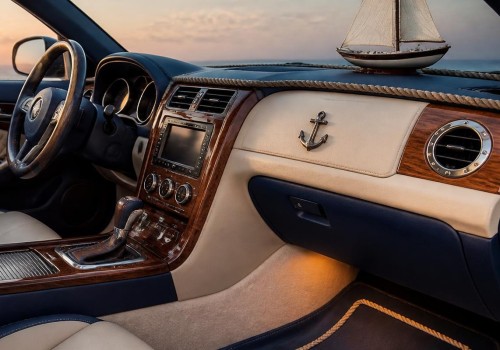
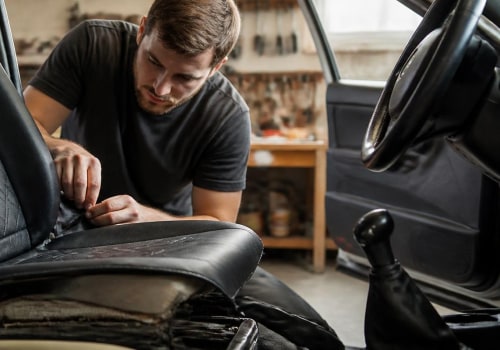
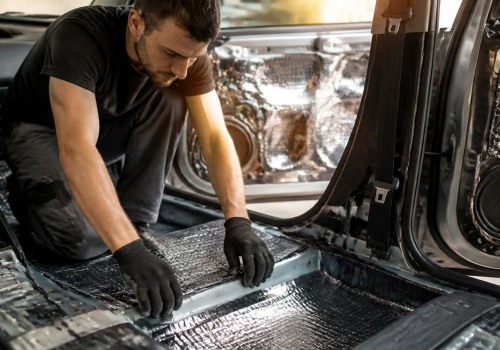
Car interior customization has become a popular trend among automotive enthusiasts and everyday drivers alike. This practice not only enhances the aesthetic appeal of a vehicle but also allows owners to express their personal style and preferences. However, one of the most critical aspects of car interior customization is the selection of materials that will stand the test of time. Choosing durable materials is essential for ensuring that your customized interior remains both visually appealing and functional over the years. When considering durable materials for car interiors, it’s important to think about factors such as wear resistance, ease of maintenance, and overall longevity.
High-quality materials can withstand daily use, resist stains, and maintain their appearance despite exposure to sunlight and temperature fluctuations. For instance, leather and synthetic alternatives like vinyl are popular choices due to their durability and luxurious feel. Additionally, materials like high-grade plastics and metals can provide a modern touch while ensuring that your interior can handle the rigors of everyday life. Ultimately, investing in durable materials not only enhances the longevity of your car's interior but also contributes to a more enjoyable driving experience. A well-customized interior can elevate your vehicle's value and make every journey more comfortable.
As you embark on your customization journey, keep in mind that the right materials will not only reflect your style but also ensure that your investment stands the test of time.
Understanding the Importance of Durability in Car Interiors
When it comes to car interior customization, understanding the importance of durability is paramount. The interior of a vehicle is subjected to various forms of wear and tear, from daily use to environmental factors. Choosing durable materials not only enhances the aesthetic appeal but also significantly impacts the longevity of the car's interior.Durability
in car interiors translates to less frequent replacements and repairs, which can save owners considerable amounts in maintenance costs over time. For instance, high-quality upholstery materials resist stains and fading, ensuring that the interior remains visually appealing for years.This is particularly important for those who plan to keep their vehicles for an extended period.Moreover, durable materials contribute to the overall value of the vehicle. A well-maintained interior can enhance resale value, making it a wise investment for car owners. Buyers often look for signs of wear when evaluating a used vehicle, and a durable interior can be a significant selling point.
- Reduced Maintenance Costs: Durable materials require less frequent cleaning and replacement, leading to lower long-term expenses.
- Enhanced Aesthetic Appeal: High-quality materials maintain their appearance longer, contributing to a more attractive interior.
- Increased Resale Value: A well-preserved interior can significantly boost the resale price of the vehicle.
- Comfort and Safety: Durable materials often provide better comfort and safety features, enhancing the overall driving experience.
Top Durable Materials for Car Interiors
When it comes to car interior customization, selecting the right materials is crucial for both aesthetics and durability.Here are some of the most durable materials commonly used in car interiors:
- Leather: Known for its luxurious feel and timeless appeal, leather is a popular choice for high-end vehicles. It offers excellent durability and can withstand wear and tear over time. Additionally, leather can be treated to resist stains and fading, making it a practical option for car interiors.
- Vinyl: A cost-effective alternative to leather, vinyl is highly resistant to moisture and easy to clean. It comes in various textures and colors, allowing for versatile car upholstery options.
Vinyl is particularly popular in family vehicles due to its resilience against spills and stains.
- Synthetic Fabrics: Materials like polyester and nylon are engineered for durability and comfort. These fabrics are often treated with protective coatings that enhance their resistance to fading, stains, and abrasion. Synthetic fabrics can mimic the look of natural materials while providing superior longevity.
- Microfiber: This material is gaining popularity in car interior customization due to its soft texture and high durability. Microfiber is resistant to stains and easy to maintain, making it an excellent choice for those who prioritize both comfort and practicality.
- Alcantara: A premium synthetic suede, Alcantara offers a unique blend of luxury and durability.
It is lightweight, breathable, and resistant to wear, making it ideal for high-performance vehicles where aesthetics meet functionality.
Leather: The Classic Choice for Durability
When it comes to car interior customization, leather stands out as a classic choice that combines elegance with durability. Leather car interiors not only enhance the aesthetic appeal of a vehicle but also offer a range of benefits that make them a preferred option for many car enthusiasts.Benefits of Leather Upholstery
- Timeless Elegance: Leather exudes a sense of luxury and sophistication, making any car feel more upscale.
- Comfort: Leather seats provide a comfortable seating experience, adapting to body temperature and offering a plush feel.
- Easy Maintenance: Unlike fabric upholstery, leather can be easily wiped clean, making it resistant to spills and stains.
- Longevity: High-quality leather can last for many years, maintaining its appearance and integrity with proper care.
Leather Durability
The durability of leather is one of its most significant advantages. When properly treated and maintained, leather can withstand the rigors of daily use without showing signs of wear.
It is resistant to tearing and fading, which is crucial for car interiors that are exposed to sunlight and frequent use. Additionally, leather's natural properties allow it to breathe, reducing the likelihood of mold and mildew buildup.However, it is essential to note that not all leather is created equal. Full-grain leather, for instance, is the most durable type available, as it retains the natural grain and texture of the hide. This type of leather develops a unique patina over time, adding character to your car's interior.In conclusion, choosing leather for your car interior customization not only elevates the look of your vehicle but also ensures long-lasting durability and comfort.
With proper care and maintenance, leather upholstery can provide an enduring solution that enhances both the functionality and aesthetic appeal of your car.
Vinyl: A Versatile Alternative
When it comes to car interior customization, vinyl has emerged as a popular choice among car enthusiasts and everyday drivers alike. This versatile material offers a range of benefits that make it an attractive alternative to traditional leather upholstery.Advantages of Vinyl Upholstery
- Cost-Effective: One of the most significant advantages of vinyl is its affordability. Compared to leather, vinyl upholstery can be significantly less expensive, making it accessible for those looking to customize their vehicle without breaking the bank.
- Variety of Styles: Vinyl comes in a wide array of colors, textures, and finishes, allowing for extensive customization options. Whether you prefer a sleek, modern look or a more classic style, vinyl can meet your aesthetic needs.
- Easy Maintenance: Unlike leather, which requires regular conditioning and special cleaning products, vinyl is relatively low-maintenance.
A simple wipe-down with a damp cloth is often enough to keep it looking fresh and clean.
- Water Resistance: Vinyl is inherently water-resistant, making it an excellent choice for those who live in wet climates or frequently transport pets or children. This feature helps prevent stains and damage from spills.
Vinyl Durability
In terms of durability, vinyl stands out as a robust option for car interiors. It is designed to withstand wear and tear from daily use, including exposure to sunlight, which can cause fading in other materials. High-quality vinyl can resist cracking and peeling over time, ensuring that your customized interior remains attractive for years to come.Moreover, advancements in manufacturing technology have led to the development of premium vinyl products that mimic the look and feel of leather while offering superior durability.
This means you can enjoy the luxurious appearance of leather without the associated costs or maintenance challenges.In conclusion, vinyl is not just a budget-friendly option; it also provides a practical solution for those seeking durability and style in their car interior customization. With its myriad advantages, it's no wonder that vinyl continues to gain popularity among car owners looking to enhance their driving experience.
Synthetic Fabrics: Innovation in Durability
In the realm of car interior customization, synthetic fabrics have emerged as a game-changer, offering a blend of durability, style, and comfort. These innovative materials are designed to withstand the rigors of daily use while maintaining their aesthetic appeal.Types of Synthetic Fabrics
- Polyester: Known for its resistance to fading and wear, polyester is a popular choice for car upholstery. Its ability to repel moisture makes it ideal for families and outdoor enthusiasts.
- Nylon: This fabric is celebrated for its strength and elasticity.
Nylon upholstery can endure heavy use without losing its shape, making it perfect for high-traffic vehicles.
- Vinyl: Often used in luxury vehicles, vinyl offers a leather-like appearance with enhanced durability. It is easy to clean and resistant to stains, making it a practical option for car interiors.
Durability of Synthetic Materials
The durability of synthetic materials is one of their most significant advantages. Unlike traditional fabrics, synthetic options are engineered to resist tearing, fading, and staining. For instance, many modern synthetic fabrics undergo treatments that enhance their resistance to UV rays and moisture, ensuring they remain vibrant and functional over time.
Modern Upholstery Options
Today’s advancements in technology have led to the development of innovative upholstery options that combine aesthetics with functionality.
For example, some manufacturers now offer fabrics that are not only durable but also breathable, providing comfort during long drives. Additionally, eco-friendly synthetic materials are gaining popularity, appealing to environmentally conscious consumers who seek sustainable choices without compromising on quality.In conclusion, the evolution of synthetic fabrics has revolutionized car interior customization, offering a wide range of durable options that cater to various lifestyles and preferences. As technology continues to advance, we can expect even more innovative solutions that enhance both the performance and comfort of car interiors.
Comparing Durability: Natural vs. Synthetic Materials
When it comes to car interior customization, one of the most critical factors to consider is the durability of the materials used.This leads us to a comparison between natural and synthetic materials, each offering distinct advantages and disadvantages.
Natural Materials
Natural materials, such as leather, are often favored for their luxurious feel and aesthetic appeal. Leather, in particular, is known for its:- Longevity: High-quality leather can last for many years if properly maintained.
- Comfort: It tends to breathe better than synthetic options, providing a more comfortable experience.
- Aesthetic Value: Leather adds a touch of elegance and sophistication to any car interior.
- Maintenance: Leather requires regular conditioning and cleaning to prevent cracking and fading.
- Cost: High-quality leather can be significantly more expensive than synthetic alternatives.
Synthetic Materials
Synthetic materials, such as vinyl and polyester, have gained popularity in recent years due to their practicality. Here are some benefits of synthetic options:- Durability: Synthetic materials are often more resistant to stains, spills, and wear and tear.
- Cost-Effectiveness: Generally, synthetic options are less expensive than natural materials.
- Easier Maintenance: They typically require less upkeep compared to leather.
Conversely, if durability and ease of care are your main concerns, synthetic options could be the better choice for your car interior customization.
Maintenance Tips for Durable Car Interiors
Maintaining the durability of your car's interior is essential for preserving its aesthetic appeal and functionality. Here are some practical maintenance tips to help you care for the materials used in your car interior:- Regular Cleaning: Dust and dirt can accumulate quickly, especially on surfaces like leather and fabric. Use a soft microfiber cloth to wipe down surfaces regularly. For deeper cleaning, consider using a vacuum with appropriate attachments to reach tight spaces.
- Protective Coatings: Applying protective coatings can significantly enhance the longevity of materials.
For leather seats, use a quality leather conditioner that provides a barrier against moisture and UV rays. For fabric upholstery, consider a fabric protector spray that repels stains and spills.
- Avoid Direct Sunlight: Prolonged exposure to sunlight can fade and damage materials over time. Whenever possible, park in shaded areas or use sunshades to protect your car's interior from harmful UV rays.
- Immediate Spill Cleanup: Accidents happen, but quick action can prevent lasting damage. If a spill occurs, blot the area immediately with a clean cloth rather than rubbing it, which can spread the stain.
Use appropriate cleaners based on the material type.
- Routine Inspections: Regularly inspect your car's interior for signs of wear and tear. Look for frayed seams, cracks in leather, or discoloration. Early detection allows for timely repairs, which can save you from more extensive damage later.
FAQs About Car Interior Customization and Durability
When considering car interior customization, durability is a key factor that many car owners prioritize. Here are some frequently asked questions regarding the durability of various materials used in car interiors:- What are the most durable materials for car upholstery?
Leather and synthetic leather (like vinyl) are among the most durable options.They resist wear and tear, making them ideal for high-traffic areas in your vehicle. Additionally, materials like nylon and polyester are often used in seat covers due to their strength and resistance to fading.
- How does climate affect the durability of car interior materials?
Extreme temperatures can impact the longevity of your car's interior. For instance, leather can crack in very dry conditions, while excessive moisture can lead to mold growth on fabric upholstery. Choosing materials that are specifically designed for your climate can enhance durability. - Are there any maintenance tips to prolong the life of car interiors?
Regular cleaning and conditioning can significantly extend the life of your car's interior.For leather, using a dedicated conditioner helps maintain its suppleness, while fabric upholstery benefits from periodic vacuuming and spot cleaning.
- Can I customize my car interior with durable materials?
Absolutely! Many customization options allow you to choose from a variety of durable materials. Whether you prefer the classic look of leather or the modern appeal of synthetic options, there are numerous choices available that combine aesthetics with longevity.
Conclusion: Making Informed Choices for Your Car Interior
In conclusion, selecting the right materials for your car interior is crucial for achieving a balance between aesthetics and durability. As we have explored, durable materials not only enhance the visual appeal of your vehicle but also ensure longevity and resilience against wear and tear.When considering car interior customization, it’s essential to prioritize materials that can withstand daily use while maintaining their appearance. Here are some key takeaways:- Leather: Known for its luxurious feel, leather is also highly durable and easy to clean, making it a popular choice for high-end interiors.
- Vinyl: A cost-effective alternative to leather, vinyl offers excellent resistance to stains and fading, making it ideal for families or active lifestyles.
- Fabric: While softer and more comfortable, choosing high-quality, tightly woven fabrics can enhance durability and resist fraying.
- Rubber: Often used in floor mats and trims, rubber is exceptionally durable and provides excellent protection against spills and dirt.
Investing in high-quality materials will not only elevate your driving experience but also increase the resale value of your vehicle.As you embark on your car interior customization journey, remember that informed choices lead to satisfying results. By focusing on durability alongside design, you can create an interior that stands the test of time.