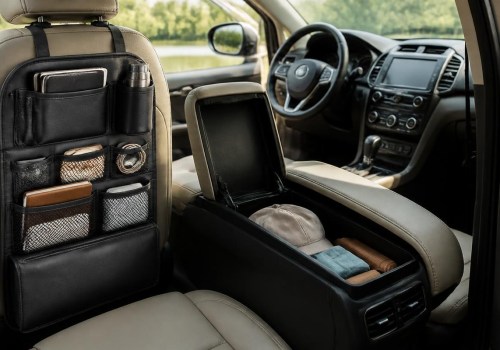
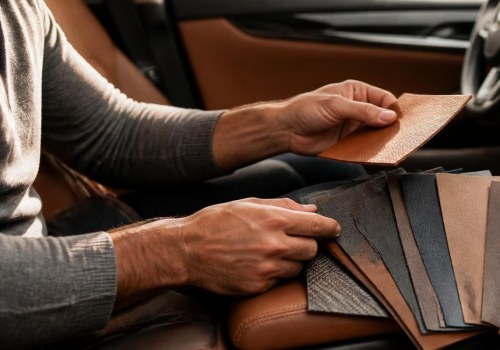
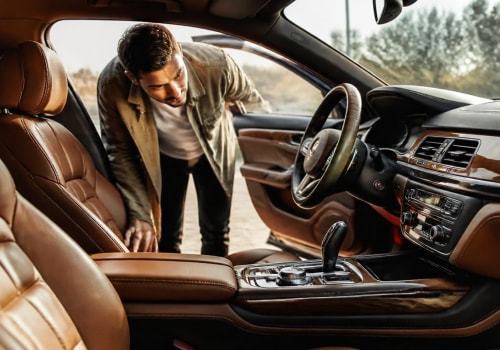
In recent years, car interior customization has surged in popularity among automotive enthusiasts and everyday drivers alike. This trend reflects a growing desire for personalization, allowing individuals to transform their vehicles into unique expressions of their style and preferences. From upgrading upholstery and installing advanced audio systems to adding ambient lighting and custom dashboards, the possibilities for enhancing a car's interior are virtually limitless. However, as exciting as these modifications can be, they come with a set of legal considerations that every car owner should be aware of. Understanding the implications of car modifications is crucial for anyone looking to customize their vehicle.
While many modifications can enhance comfort and aesthetics, some may inadvertently violate local laws or regulations. For instance, changes that affect safety features or alter the vehicle's original design could lead to legal complications, including fines or issues with insurance coverage. Therefore, it is essential to navigate the landscape of car interior customization with a clear understanding of what is permissible. This section will delve into the various legal aspects surrounding car interior modifications, ensuring that enthusiasts can enjoy their personalized spaces without running afoul of the law. By being informed about these considerations, car owners can make educated decisions that enhance their driving experience while remaining compliant with regulations.
Legal Framework Surrounding Vehicle Modifications
When considering car interior customization, it is essential to navigate the complex legal landscape that governs vehicle modifications.Understanding both federal and state regulations can help ensure that your modifications comply with the law and avoid potential penalties.
Federal Regulations
- The National Highway Traffic Safety Administration (NHTSA) sets forth regulations that apply to all vehicles on U.S. roads. These regulations primarily focus on safety standards and emissions control.
- Modifications that affect safety features, such as airbags or seatbelts, may violate federal laws. For instance, removing or altering these components can lead to significant legal repercussions.
- Additionally, any modifications that impact a vehicle's emissions system must comply with the Clean Air Act, which mandates that vehicles meet specific environmental standards.
State Regulations
- Each state has its own set of laws regarding vehicle modifications, which can vary significantly.
Some states may have strict guidelines on what can be altered within a vehicle's interior.
- For example, states like California have stringent emissions laws that require modifications to be certified by the state’s Air Resources Board.
- Moreover, certain states may require inspections for modified vehicles to ensure compliance with safety and emissions standards.
State-Specific Regulations on Car Interior Modifications
When it comes to car interior customization, understanding the state-specific regulations is crucial. Each state in the U.S.has its own set of laws governing what modifications can be made to a vehicle's interior. These regulations can vary significantly, impacting everything from safety features to aesthetic changes.For instance, some states may have strict rules regarding the installation of aftermarket seats or steering wheels, particularly if these modifications could affect the vehicle's safety or functionality. In states like California, modifications that interfere with the original equipment manufacturer (OEM) specifications may lead to penalties or even fines.
Common Regulations Across States
- Safety Standards: Many states require that any modifications comply with safety standards set by organizations such as the National Highway Traffic Safety Administration (NHTSA).
- Emissions Compliance: Some interior modifications can affect a vehicle's emissions system, which must adhere to state environmental regulations.
- Insurance Implications: Certain modifications may require notifying your insurance provider, as they can impact coverage and liability.
Additionally, consulting with local automotive professionals can offer insights into common practices and potential pitfalls.Failing to comply with state regulations can result in fines, mandatory removal of modifications, or even issues during vehicle inspections. Therefore, taking the time to understand these laws not only ensures compliance but also enhances your driving experience by keeping your vehicle safe and roadworthy.
Safety Standards and Compliance
When it comes to car interior customization, adhering to safety standards and compliance requirements is crucial. Modifications that enhance aesthetics or comfort can inadvertently compromise the vehicle's safety features, leading to potential legal issues and safety hazards.One of the primary considerations is ensuring that any changes made do not interfere with the vehicle's safety systems. For instance, modifications that obstruct airbags or seatbelt mechanisms can lead to severe consequences in the event of an accident.Therefore, it is essential to consult the vehicle's manual and understand how specific modifications might impact these critical safety features.
Understanding Compliance Requirements
Compliance with local and federal vehicle safety laws is non-negotiable. Each state may have different regulations regarding vehicle modifications, including interior changes. Here are some key points to consider:- State Regulations: Check your state’s Department of Motor Vehicles (DMV) for specific rules regarding interior modifications.
- Insurance Implications: Some insurance policies may not cover damages if modifications are made without notifying the insurer. Always inform your insurance provider about any changes.
- Inspection Requirements: Certain modifications may require a vehicle inspection to ensure compliance with safety standards.
Upholstery and other interior materials should meet industry standards to minimize risks in case of fire or accidents.In summary, while car interior customization can enhance your driving experience, it is imperative to prioritize safety and compliance. By understanding and adhering to safety standards, you can enjoy your customized vehicle without compromising on legality or safety.
Insurance Implications of Car Interior Customization
When considering car interior customization, it’s essential to understand the potential insurance implications that may arise. Modifying your vehicle's interior can enhance comfort and aesthetics, but it can also complicate your insurance coverage.Insurance Coverage for Custom Modifications
- Notify Your Insurer: Before making any modifications, it’s crucial to inform your insurance provider. Many policies require you to disclose any changes that could affect the vehicle's value or safety.
- Coverage Limits: Standard auto insurance policies may not cover aftermarket modifications.
If your customized interior is damaged or stolen, you might find yourself underinsured.
- Increased Premiums: Depending on the extent of your modifications, your premiums may increase. Insurers often view customized interiors as higher risk due to potential theft or damage.
Liability Issues
Another critical aspect to consider is liability. If an accident occurs and it’s determined that your modifications contributed to the incident, you could face significant financial repercussions. For example:
- If a custom-installed component fails and causes an accident, you may be held liable for damages.
- Your insurer might deny coverage if they find that the modifications were not approved or properly documented.
Conclusion
In summary, while car interior customization can enhance your driving experience, it’s vital to understand how these changes impact your insurance policy.
Always consult with your insurance agent before proceeding with modifications to ensure you have adequate coverage and avoid unexpected costs.
Common Legal Issues Faced by Car Customizers
When it comes to car interior customization, enthusiasts often encounter a variety of legal challenges that can complicate their projects. Understanding these common legal issues is crucial for anyone looking to modify their vehicle.1.Compliance with Safety Regulations:
One of the primary concerns for car customizers is ensuring that modifications comply with local and federal safety regulations. For instance, altering seat configurations or installing aftermarket components may violate safety standards set by the National Highway Traffic Safety Administration (NHTSA). Failure to adhere to these regulations can lead to fines or even the inability to register the vehicle.2.Insurance Implications:
Customizing a car's interior can also affect insurance coverage.Many insurance policies have specific clauses regarding modifications, and failing to disclose changes can result in denied claims. It's essential for car owners to communicate with their insurance providers before making significant alterations.
3.Disputes with Local Authorities:
Local laws regarding vehicle modifications can vary significantly. Some municipalities have strict ordinances that govern what can and cannot be changed in a vehicle's interior. Disputes may arise if local authorities deem certain modifications illegal, leading to potential fines or required restorations.4.Enforcement Actions:
In some cases, law enforcement may take action against modified vehicles during routine inspections or traffic stops.If a modification is deemed unsafe or illegal, officers may issue citations or require the owner to revert the changes. To navigate these challenges effectively, car customizers should conduct thorough research on local laws and regulations, consult with legal experts if necessary, and maintain open communication with insurance companies. By being proactive, enthusiasts can enjoy their car interior customization projects while minimizing legal risks.
Best Practices for Legal Car Interior Customization
When it comes to car interior customization, adhering to legal guidelines is crucial for both safety and compliance. Here are some best practices to ensure your modifications remain within legal boundaries:- Research Local Laws: Before making any changes, familiarize yourself with your state’s regulations regarding vehicle modifications. Laws can vary significantly, so understanding what is permissible in your area is essential.
- Consult Professionals: If you're unsure about the legality of a specific modification, consult with a professional who specializes in automotive customization.
They can provide insights into what modifications are safe and legal.
- Focus on Safety: Ensure that any modifications do not interfere with the vehicle's safety features. For example, altering seatbelts or airbags can lead to serious legal repercussions and safety hazards.
- Document Modifications: Keep a record of all modifications made to your vehicle. This documentation can be helpful if you ever need to prove that your changes comply with local laws.
- Use Quality Materials: Opt for high-quality materials and components that meet safety standards. This not only enhances the aesthetic appeal but also ensures durability and compliance with regulations.
- Avoid Obstructing Visibility: Modifications that obstruct the driver’s view, such as oversized accessories or poorly placed screens, can lead to legal issues.
Always prioritize visibility when customizing your car's interior.
Frequently Asked Questions about Car Interior Customization Laws
When it comes to car interior customization, many vehicle owners have questions about the legal implications of their modifications. Below are some frequently asked questions that can help clarify common concerns.What modifications are typically legal?
Most interior modifications, such as changing seat covers, installing new floor mats, or adding custom lighting, are generally legal as long as they do not interfere with the vehicle's safety features or violate local regulations. However, it’s essential to check state laws, as they can vary significantly.Are there restrictions on aftermarket parts?
Yes, certain aftermarket parts may have restrictions.For example, if you install a racing seat that does not meet safety standards, it could be deemed illegal. Always ensure that any parts you use comply with Department of Transportation (DOT) regulations.
Can I modify my car's audio system?
Upgrading your car's audio system is usually permissible. However, be cautious about the volume levels while driving, as excessive noise can lead to fines or penalties in some areas.Do I need to inform my insurance company?
It’s advisable to inform your insurance provider about any significant modifications. Some changes may affect your coverage or premiums.Failing to disclose modifications could result in denied claims.
What about aesthetic changes?
Aesthetic changes like custom upholstery or dashboard modifications are generally allowed. However, ensure that these changes do not obstruct your view or interfere with the operation of the vehicle.Where can I find more information?
For more detailed information regarding car interior customization laws, consult your local DMV or a legal expert specializing in automotive regulations. Online forums and communities can also provide insights from fellow car enthusiasts.Conclusion: Staying Informed and Compliant with Car Modifications
In conclusion, navigating the world of car interior customization requires a thorough understanding of the legal landscape surrounding vehicle modifications. As we have discussed, various factors can influence the legality of your modifications, including state laws, safety regulations, and insurance policies. It is crucial to stay informed about the specific regulations in your area.For instance, some states may have strict guidelines regarding the types of materials used in upholstery or the installation of aftermarket electronics. Failing to comply with these regulations can lead to fines or even the inability to register your vehicle. Moreover, consulting with professionals who specialize in car interior customization can provide valuable insights into what modifications are permissible. These experts can help ensure that your enhancements not only reflect your personal style but also adhere to legal standards.
- Research Local Laws: Always check local and state laws regarding vehicle modifications.
- Consult Professionals: Seek advice from certified mechanics or customization specialists.
- Insurance Considerations: Inform your insurance provider about any modifications to avoid coverage issues.