When it comes to car interior customization, understanding the principles of ergonomics is essential for enhancing both comfort and safety for drivers and passengers alike. Ergonomics, the science of designing spaces and products to fit the human body, plays a crucial role in how we interact with our vehicles. A well-designed car interior not only improves the driving experience but also minimizes fatigue during long journeys, making it a vital consideration for anyone looking to personalize their vehicle. Incorporating ergonomic principles into your car's interior can lead to significant improvements in overall comfort. For instance, adjustable seating positions, strategically placed controls, and adequate legroom can transform a standard driving experience into one that feels tailored to your needs.
By focusing on these elements, you can create an environment that supports your body’s natural posture and reduces strain, ultimately enhancing your time on the road. Moreover, the importance of ergonomics extends beyond mere comfort; it also impacts safety. A well-structured interior allows for easier access to essential controls and features, reducing distractions while driving. This is particularly important in today’s fast-paced world where multitasking is common. By prioritizing ergonomic design in your car interior customization, you not only invest in your comfort but also contribute to safer driving practices.
Assessing Your Current Car Interior Setup
To enhance your car's ergonomics, the first step is to conduct a thorough assessment of your current car interior setup.This evaluation will help identify any ergonomic issues that may be affecting your comfort and driving experience.
1.Evaluate Your Seating Position
- Adjust the Seat: Ensure that your seat is positioned correctly. Your knees should be slightly bent, and your feet should comfortably reach the pedals without stretching.
- Back Support: Check if your lower back is adequately supported. Consider using lumbar cushions if your seat lacks proper support.
- Headrest Position: The headrest should align with the back of your head to prevent neck strain during sudden stops.
2.Assess Controls Accessibility
- Reachability: Ensure that all essential controls, such as the steering wheel, gear shift, and dashboard buttons, are within easy reach without straining.
- Visibility: Check that you can see all gauges and displays clearly without having to lean forward or adjust your seating position.
- Intuitive Layout: Evaluate whether the layout of controls makes sense. Frequently used features should be easily accessible and not require excessive movement.
3.Overall Layout Considerations
- Space Utilization: Look at how space is utilized within the cabin.
Ensure that there is enough room for movement and that items are stored in a way that doesn’t impede comfort.
- No Clutter: A cluttered interior can lead to distractions. Keep surfaces clear and organize items in compartments to maintain a tidy environment.
- Aesthetic Comfort: Consider the materials used in your car interior. Soft-touch materials can enhance comfort, while harsh plastics may detract from the overall experience.
Choosing the Right Seats for Comfort and Support
When it comes to car interior customization, one of the most crucial aspects is selecting the right seats that prioritize both comfort and support.Ergonomic car seats are designed to conform to the natural curvature of your body, reducing strain during long drives and enhancing overall driving experience.
Understanding Ergonomic Car Seats
- Supportive Design: Ergonomic seats typically feature contoured shapes that provide better lumbar support, helping to maintain proper posture.
- Adjustability: Look for seats with multiple adjustment options, including height, tilt, and lumbar support adjustments, allowing you to find the perfect fit.
- Material Quality: High-quality materials not only enhance comfort but also improve durability. Consider breathable fabrics or memory foam for added luxury.
Seat Customization Options
If you want to take your comfort to the next level, consider customizing your seats. Here are some popular options:
- Custom Cushions: Adding custom cushions can provide additional support where you need it most, particularly in the lumbar region.
- Heated and Ventilated Seats: These features can significantly enhance comfort in extreme weather conditions, making your driving experience more enjoyable.
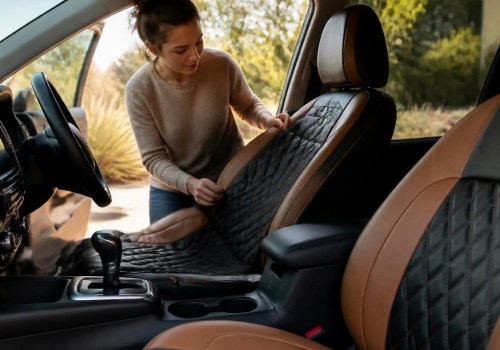
- Seat Covers: Custom seat covers not only protect your seats but can also add a personal touch to your car's interior while improving comfort.
Adjusting Controls and Displays for Optimal Reach
When it comes to car interior customization, one of the most crucial aspects is ensuring that controls and displays are positioned for optimal reach and usability.Proper adjustment can significantly enhance your driving experience, making it safer and more comfortable.
Adjusting Controls
Start by evaluating the placement of essential controls such as the steering wheel, gear shift, and climate controls. Here are some tips for adjusting these components:- Steering Wheel: Ensure that the steering wheel is at a height and distance that allows you to maintain a relaxed grip while keeping your arms slightly bent. This position minimizes strain during long drives.
- Gear Shift: The gear shift should be within easy reach without requiring you to stretch or lean forward. Consider using a short-throw shifter if you find yourself straining to change gears.
- Climate Controls: Position climate controls so they can be adjusted with minimal distraction.
If possible, opt for knobs or buttons that provide tactile feedback, allowing you to make adjustments without taking your eyes off the road.
Positioning Displays
The placement of displays, such as the infotainment system and dashboard gauges, is equally important. Follow these guidelines:- Infotainment Screen: Ideally, the screen should be at eye level or slightly below to reduce neck strain. Consider using a screen mount if your vehicle's display is too low.
- Dashboard Gauges: Ensure that gauges are clearly visible without requiring you to lean forward or squint. If necessary, adjust the angle of the dashboard or consider aftermarket gauge overlays for better visibility.
Remember, small adjustments can lead to significant improvements in your overall driving experience.
Incorporating Storage Solutions for Convenience
When it comes to car interior customization, incorporating effective storage solutions is essential for enhancing convenience and maintaining an organized space. A clutter-free environment not only improves the aesthetic appeal of your vehicle but also contributes to a more ergonomic driving experience.Here are some innovative car storage solutions that can help you maximize space and keep your essentials within reach:- Seat Gap Fillers: These handy accessories prevent items from falling between the seats, ensuring that your phone, keys, or snacks are always accessible.
- Overhead Storage Bins: Utilizing the overhead space in your vehicle can significantly reduce clutter. Consider installing bins or nets to store lightweight items like jackets or small bags.
- Trunk Organizers: A well-organized trunk can make a world of difference. Use collapsible organizers to separate groceries, sports equipment, or emergency kits, making it easier to find what you need.
- Backseat Organizers: These are perfect for families or anyone who frequently transports passengers.
They can hold tablets, books, and snacks, keeping the backseat tidy and functional.
- Magnetic Storage Solutions: Magnetic strips can be attached to various surfaces in your car to hold tools or small metal items securely, providing easy access while driving.
Utilizing Technology for Enhanced Ergonomics
Incorporating modern car technology into your vehicle can significantly enhance the ergonomics of your car interior.By leveraging smart features and ergonomic tech solutions, you can create a more comfortable and user-friendly driving experience.
Smart infotainment systems
are at the forefront of this transformation. These systems often come equipped with voice recognition, allowing drivers to control navigation, music, and calls without taking their hands off the wheel or eyes off the road. This minimizes distractions and promotes safer driving.Another innovative solution is the integration of adaptive seating technology. Many modern vehicles offer seats that can be adjusted in multiple ways, including lumbar support, heating, and cooling features.Some advanced models even have memory settings that remember your preferred seating position, ensuring optimal comfort on every journey.
- Ergonomic steering wheels: Look for steering wheels that offer adjustable tilt and telescoping features. Some models even include built-in controls for audio and cruise settings, allowing for easier access without compromising posture.
- Heads-up displays (HUD): These systems project essential information onto the windshield, reducing the need to look down at the dashboard. This keeps your focus on the road while still providing vital data like speed and navigation directions.
- Smartphone integration: Features like Apple CarPlay and Android Auto allow you to seamlessly connect your smartphone to your car's infotainment system. This enables hands-free access to apps, music, and navigation, further enhancing convenience and safety.
Some applications provide reminders to adjust your seating position or take breaks during long drives, helping to prevent discomfort and fatigue.By embracing these technological advancements in car interior customization, you can create a driving environment that not only looks good but also prioritizes your comfort and well-being.
Personalizing Your Car Interior Aesthetics and Comfort
When it comes to car interior customization, aesthetics and comfort go hand in hand. Personalizing your car's interior not only enhances its visual appeal but also contributes significantly to a more enjoyable driving experience. Here are some effective ways to achieve this balance:- Choose the Right Materials: Opt for high-quality materials that not only look good but also feel comfortable. Leather seats, for instance, can add a touch of luxury while providing durability.
- Color Schemes: Select a color palette that resonates with your personality.
Softer tones can create a calming atmosphere, while vibrant colors can energize your driving experience.
- Custom Seat Covers: Invest in custom seat covers that reflect your style. These can be tailored for comfort and aesthetics, ensuring that you enjoy every moment behind the wheel.
- Ergonomic Seat Design: Look for seats that provide lumbar support and adjustable features. This will help reduce fatigue during long drives.
- Climate Control: Personalize your climate settings with heated or ventilated seats. This feature can make a significant difference in comfort, especially during extreme weather conditions.
- Sound System Upgrades: A high-quality sound system can transform your driving experience.
Consider adding speakers or a subwoofer that suits your music preferences.
Maintaining an Ergonomic Car Interior Over Time
Maintaining an ergonomic car interior is essential for ensuring long-term comfort and functionality. Regular upkeep not only enhances your driving experience but also prolongs the life of your vehicle's interior components. Here are some effective car maintenance tips to keep your car interior ergonomic:- Regular Cleaning: Dust and debris can accumulate in your car, affecting both aesthetics and comfort.
Regularly vacuum the seats and floor mats, and use appropriate cleaners for surfaces to maintain a clean environment.
- Adjust Seating Position: Periodically reassess your seating position. As you spend more time in your vehicle, your body may change, requiring adjustments to the seat height, tilt, and lumbar support for optimal comfort.
- Inspect and Replace Worn Components: Check for wear and tear on seat cushions, steering wheel covers, and floor mats. Replacing these components when they show signs of damage can significantly enhance comfort.
- Utilize Ergonomic Accessories: Consider investing in ergonomic accessories such as seat cushions or lumbar supports that can be easily added or removed as needed. These can provide additional support during long drives.
- Climate Control Maintenance: Ensure that your car's heating and cooling systems are functioning properly.
A comfortable temperature is crucial for maintaining an ergonomic environment.
Frequently Asked Questions About Car Interior Customization
When it comes to car interior customization, many drivers have questions about how to enhance comfort and ergonomics.Here are some frequently asked questions that can help guide your customization journey:
- What are the key elements of an ergonomic car interior?
An ergonomic car interior focuses on the driver’s comfort and ease of use. Key elements include adjustable seats, intuitive controls, adequate legroom, and proper visibility. Customizing these aspects can significantly improve your driving experience. - How can I improve seat comfort?
Consider investing in high-quality seat covers or cushions that provide better lumbar support. Additionally, adjusting the seat height and angle can help achieve a more comfortable driving position. - Are there specific materials that enhance comfort?
Yes, materials like memory foam for seats and soft-touch plastics for dashboards can enhance comfort.Look for breathable fabrics that regulate temperature and reduce fatigue during long drives.
- What role does lighting play in car ergonomics?
Proper lighting can reduce eye strain and improve visibility inside the vehicle. Consider customizing ambient lighting to create a soothing atmosphere that enhances focus while driving. - Can I customize my dashboard layout?
Absolutely! Many modern vehicles allow for dashboard customization. You can rearrange controls or add digital displays that are easier to read and access, improving overall functionality.