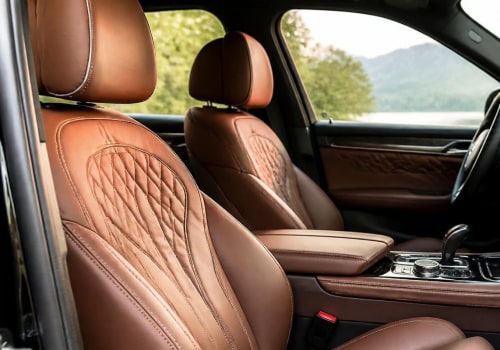
Car interior customization is more than just a trend; it’s a way to express individuality and enhance the driving experience. As car enthusiasts seek to personalize their vehicles, the benefits of car customization become increasingly apparent. From improved aesthetics to increased comfort, customizing your car's interior can transform an ordinary ride into a unique sanctuary that reflects your personal style. One of the primary reasons to customize your car interior is to create an environment that resonates with your personality. Whether it’s upgrading the upholstery, installing advanced technology, or adding personalized accents, each modification can significantly enhance your connection to the vehicle.
Moreover, a well-customized interior can also increase the resale value of your car, making it a smart investment for those who plan to sell or trade in their vehicle in the future. Additionally, car interior customization can lead to improved functionality. Features such as custom storage solutions or ergonomic seating can make daily commutes more enjoyable and efficient. By tailoring the interior layout and features to suit your lifestyle, you not only enhance comfort but also ensure that every drive is a pleasurable experience. As we delve deeper into the best practices for installing custom interior features, understanding these foundational benefits will help you make informed decisions that elevate your driving experience.
Planning Your Customization Project
Embarking on a car interior customization project requires careful planning to ensure that the final result aligns with your vision and needs.The first step in this process is to assess your needs. Consider how you use your vehicle daily. Do you need more storage space, enhanced comfort, or a more luxurious feel? Identifying your primary goals will guide your decisions throughout the project.Next, it’s essential to set a budget. Customizing a car interior can range from minor upgrades to extensive renovations, so having a clear financial plan will help you prioritize features and avoid overspending.
Break down your budget into categories such as materials, labor, and any additional accessories you may want to include.Once you have a budget in place, it’s time to choose a style. Research different design aesthetics that resonate with you. Whether you prefer a sleek modern look or a classic vintage vibe, gathering inspiration from magazines, online platforms, or even visiting car shows can help solidify your vision. Create a mood board that includes colors, materials, and layouts that appeal to you.After defining your style, outline the customization project steps.
Start by listing the specific features you want to incorporate, such as:
- Upholstery materials (leather, fabric, etc.)
- Dashboard modifications
- Lighting enhancements
- Sound system upgrades
- Storage solutions
Choosing the Right Materials
When it comes to car interior customization, selecting the right materials is crucial for achieving both durability and aesthetic appeal.The materials you choose will not only influence the look of your vehicle but also its longevity and comfort.
Popular Car Upholstery Options
- Leather: Known for its luxurious feel and timeless appeal, leather is a popular choice for car interiors. It offers excellent durability and can withstand wear and tear, making it ideal for high-use areas like seats and armrests. However, it requires regular maintenance to keep it looking its best.
- Fabric: Fabric upholstery provides a wide range of colors and patterns, allowing for greater customization. While it may not be as durable as leather, high-quality fabrics can offer good resistance to fading and stains.
Look for options like microfiber or heavy-duty polyester for enhanced durability.
- Synthetic Materials: Options such as vinyl or faux leather are becoming increasingly popular due to their affordability and ease of maintenance. These materials can mimic the look of genuine leather while being more resistant to moisture and stains, making them suitable for families or those who frequently transport pets.
Durability Considerations
When selecting materials for your car interior, consider factors such as climate and usage. For instance, if you live in a hot climate, lighter-colored fabrics may be preferable as they reflect heat better than darker shades. Additionally, if your vehicle often carries children or pets, opting for more durable materials that resist stains and scratches will help maintain the interior's appearance over time.Ultimately, the best materials for car interiors will depend on your personal style preferences and practical needs.By carefully considering your options, you can create a customized interior that not only looks great but also stands the test of time.
Essential Tools and Equipment for Installation
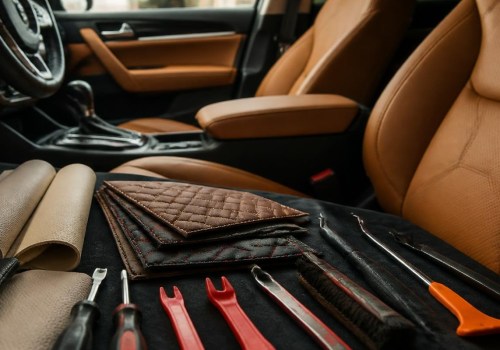
When embarking on a car interior customization project, having the right tools and equipment is crucial for achieving professional results. Below is a list of essential tools that every DIY enthusiast should consider for their installation tasks.- Basic Hand Tools: A set of screwdrivers (both flathead and Phillips), pliers, and wrenches are fundamental for any installation. These tools will help you remove existing components and secure new features.
- Trim Removal Tools: These specialized tools are designed to safely remove trim pieces without damaging the surrounding surfaces. They are particularly useful for accessing areas where you need to install custom features.
- Utility Knife: A sharp utility knife is essential for cutting materials like upholstery, carpet, or foam padding.
Ensure you have a fresh blade to make clean cuts.
- Measuring Tools: Accurate measurements are vital in car interior customization. Use a tape measure and a straight edge to ensure that your new features fit perfectly within the existing space.
- Drill and Drill Bits: A power drill will be necessary for creating holes for mounting brackets or screws. Make sure to have a variety of drill bits suitable for different materials, such as metal and plastic.
- Adhesives and Fasteners: Depending on your project, you may need various adhesives (like spray adhesive or contact cement) and fasteners (such as screws, bolts, or clips) to secure your custom features in place.
- Sewing Machine: If your customization involves upholstery work, a sewing machine can be invaluable for stitching new covers or repairing existing ones.
Step-by-Step Installation Guide
Installing custom features in your car interior can significantly enhance both aesthetics and functionality.Follow this step-by-step installation guide to ensure a successful DIY car customization experience.
- Gather Your Tools and Materials: Before starting, make sure you have all necessary tools such as screwdrivers, pliers, a utility knife, and any specific tools required for your custom features. Additionally, gather materials like adhesive, wiring, and the custom parts themselves.
- Prepare Your Workspace: Choose a clean, well-lit area to work on your car. Remove any clutter and ensure you have enough space to lay out your tools and materials.
- Disconnect the Battery: For safety, disconnect the car battery before beginning any installation that involves electrical components. This will prevent any accidental short circuits.
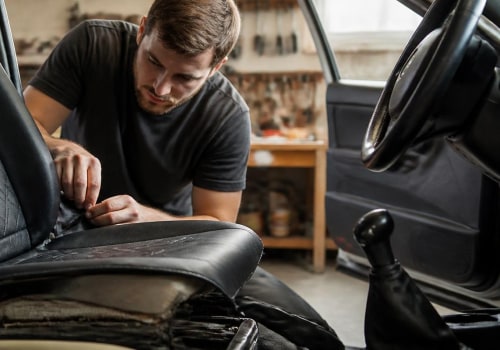
- Remove Existing Components: If you are replacing existing features (like seats or panels), carefully remove them using the appropriate tools.
Keep track of screws and clips for reinstallation.
- Install Custom Features: Follow the manufacturer’s instructions for each custom feature. For example:
- Custom Seats: Align the new seat with the mounting points and secure it using the original screws.
- Dashboard Accessories: Use adhesive or screws as needed to attach new components securely.
- Lighting Kits: Route wiring carefully, ensuring it does not interfere with moving parts. Connect to power sources as per instructions.
- Test Functionality: Before reassembling everything, reconnect the battery and test all new features to ensure they work correctly. Check lights, electronics, and any moving parts.
- Reassemble Interior: Once everything is tested and functioning, reattach any panels or components that were removed during installation.
Ensure all screws are tightened properly.
- Final Inspection: Do a thorough check of your work. Look for any loose wires or components that may need adjustment. Clean up your workspace and dispose of any waste materials responsibly.
Common Mistakes to Avoid During Customization
When it comes to car interior customization, avoiding common mistakes can save you time, money, and frustration.Here are some pitfalls to watch out for:
- Neglecting Planning: One of the biggest mistakes is diving into customization without a clear plan. Take the time to sketch out your ideas, set a budget, and research materials. This will help you avoid costly changes mid-project.
- Ignoring Compatibility: Ensure that any new features or materials you choose are compatible with your vehicle's existing systems. For example, installing aftermarket electronics without understanding their integration can lead to functionality issues.
- Overlooking Quality: While it might be tempting to cut costs by choosing cheaper materials, this can lead to premature wear and tear.
Invest in high-quality products that will stand the test of time.
- DIY Without Skills: Many enthusiasts underestimate the complexity of certain installations. If you're not confident in your skills, consider hiring a professional for intricate tasks like wiring or upholstery.
- Forgetting Safety Regulations: Customizing your car's interior can affect safety features. Ensure that any modifications comply with local regulations and do not interfere with airbags or seatbelt systems.
Maintaining Your Customized Interior
Investing in car interior customization can significantly enhance the aesthetic and functional appeal of your vehicle. However, to ensure that your customized features remain in pristine condition, regular maintenance is essential.Here are some effective tips for maintaining your customized interior:
- Regular Cleaning: Dust and dirt can accumulate quickly in a car's interior. Use a soft microfiber cloth to wipe down surfaces regularly. For leather or vinyl seats, consider using a specialized cleaner that won’t damage the material.
- Avoid Harsh Chemicals: When cleaning your customized features, avoid using harsh chemicals that can strip away finishes or damage fabrics. Opt for pH-balanced cleaners designed specifically for automotive interiors.
- Protective Coatings: Applying protective coatings to surfaces such as dashboards and leather seats can help prevent fading and cracking.
Look for products that offer UV protection to shield against sun damage.
- Conditioning Materials: For leather interiors, regular conditioning is crucial. Use a quality leather conditioner every few months to keep the material supple and prevent it from drying out.
- Check for Wear and Tear: Regularly inspect your customized features for signs of wear and tear. Addressing small issues early can prevent more significant problems down the line.
- Temperature Control: Extreme temperatures can affect the longevity of your custom materials. Whenever possible, park in shaded areas or use sunshades to minimize heat exposure.
Remember, a little care goes a long way in preserving the investment you've made in your vehicle's interior.
Frequently Asked Questions About Car Interior Customization
When it comes to car interior customization, many enthusiasts have questions about the best practices and considerations. Here are some of the most frequently asked questions:What are the most popular customizations for car interiors?
Some of the most sought-after customizations include:- Upholstery upgrades: Changing the fabric or leather of seats can dramatically enhance comfort and aesthetics.
- Dashboard modifications: Adding custom gauges, lighting, or materials can personalize your dashboard.
- Sound system enhancements: Upgrading speakers, adding subwoofers, or installing a new head unit can improve audio quality.
- Floor mats and liners: Custom-fit mats not only protect your vehicle but also add a touch of style.
- Ambient lighting: Installing LED lights can create a unique atmosphere inside your car.
How much does car interior customization cost?
The cost of car interior customization varies widely based on the type of modifications you choose. Simple upgrades like seat covers may cost a few hundred dollars, while extensive modifications such as a complete interior overhaul can run into thousands. It's essential to set a budget and prioritize which features are most important to you.Can I customize my car interior myself?
Yes, many car interior customization projects can be done as DIY tasks, especially if you have some basic tools and skills.However, for more complex modifications, such as electrical work or upholstery changes, it may be wise to consult with professionals to ensure quality results.
Are there any legal considerations for customizing my car's interior?
While most interior modifications are legal, it's crucial to check local regulations regarding safety and emissions. For example, certain lighting modifications may not be street-legal in some areas. Always ensure that your customizations comply with local laws to avoid fines or issues during inspections.If you have more specific questions about car interior customization, consider reaching out to local experts or online forums where enthusiasts share their experiences and advice.Conclusion: Transforming Your Driving Experience with Custom Interiors
In conclusion, car interior customization is not just about aesthetics; it’s about enhancing your overall driving experience. By implementing the best practices discussed throughout this article, you can create a space that reflects your personal style while also improving comfort and functionality.From selecting high-quality materials to ensuring proper installation techniques, each step plays a crucial role in achieving a successful custom interior.Remember to:
- Research your options thoroughly to find materials and features that suit your needs.
- Plan your design carefully, considering both visual appeal and practicality.
- Consult with professionals if necessary to ensure that installations are done correctly.
- Maintain your custom features regularly to keep them looking and functioning their best.
Embrace the possibilities of car interior customization, and drive in style!.