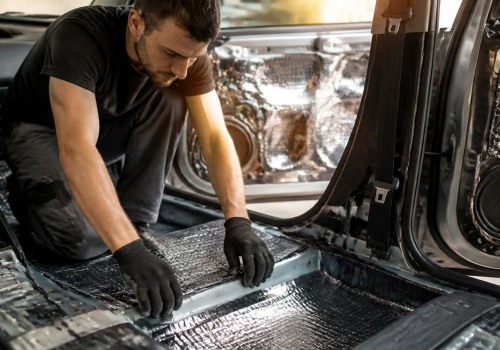
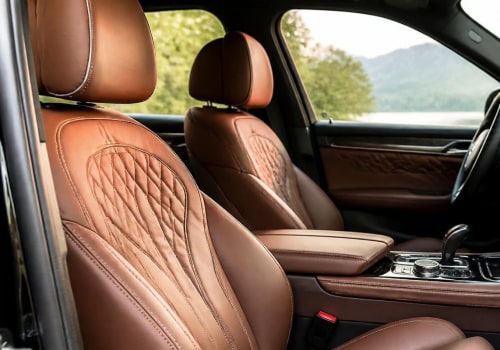
Car interior customization is an exciting way to personalize your vehicle, transforming it from a standard mode of transportation into a unique reflection of your style and preferences. This process involves modifying various elements within the car's interior, including upholstery, dashboard design, and even the choice of materials used. By engaging in car interior customization, owners can enhance not only the aesthetic appeal of their vehicles but also improve comfort and functionality. The significance of car interior customization extends beyond mere aesthetics. It allows drivers to create an environment that resonates with their personality while also addressing practical needs.
For instance, customizing the seating can lead to improved ergonomics, making long drives more comfortable. Additionally, personalized interiors can increase the resale value of a vehicle, as potential buyers often appreciate unique features that set a car apart from others on the market. Moreover, as awareness of environmental issues grows, many car enthusiasts are seeking eco-friendly options for their interior modifications. This shift not only aligns with sustainable practices but also offers innovative materials and designs that can enhance the overall driving experience. In the following sections, we will explore various eco-friendly choices available for car interior customization, highlighting how you can make your vehicle both stylish and environmentally responsible.
The Importance of Eco-Friendly Customization
In today's automotive industry, eco-friendly customization has emerged as a vital consideration for both manufacturers and consumers.As awareness of environmental issues grows, the demand for sustainable practices in car interior customization has become increasingly important. This shift is not just a trend; it reflects a broader commitment to reducing our carbon footprint and promoting sustainability.One of the primary reasons for prioritizing eco-friendly car interiors is the significant impact that traditional materials and processes have on the environment. Conventional upholstery, plastics, and adhesives often contain harmful chemicals that can contribute to pollution and waste. By opting for sustainable materials such as organic fabrics, recycled plastics, and natural fibers, consumers can help mitigate these negative effects.
Benefits of Eco-Friendly Customization
- Reduced Environmental Impact: Sustainable materials are often sourced responsibly, minimizing deforestation and pollution.
- Healthier Interiors: Eco-friendly options typically contain fewer volatile organic compounds (VOCs), leading to better air quality inside the vehicle.
- Enhanced Resale Value: Vehicles with eco-friendly customizations may attract environmentally conscious buyers, potentially increasing resale value.
- Support for Ethical Practices: Choosing sustainable options often means supporting companies that prioritize ethical sourcing and fair labor practices.
As more individuals seek to align their purchasing decisions with their values, manufacturers are responding by offering a wider range of sustainable car customization options. This not only meets consumer expectations but also fosters innovation within the industry.Ultimately, embracing eco-friendly customization is not just about aesthetics; it represents a commitment to a healthier planet and a more sustainable future. By making informed choices in car interior customization, consumers can play an active role in promoting environmental stewardship while enjoying a unique and personalized driving experience.
Materials for Eco-Friendly Car Interiors
When it comes to car interior customization, choosing the right materials is crucial for creating a sustainable and eco-friendly environment. Here are some of the most popular eco-friendly materials that can enhance your vehicle's interior while minimizing environmental impact.- Recycled Plastics: Many manufacturers are now using recycled plastics to create components such as dashboards, door panels, and seat covers.
This not only reduces waste but also lowers the demand for new plastic production, which is a significant contributor to pollution.
- Organic Fabrics: Fabrics made from organic cotton, hemp, or linen are excellent choices for upholstery. These materials are grown without harmful pesticides and chemicals, making them safer for both the environment and your health.
- Natural Fibers: Materials like jute, sisal, and wool can be used for carpets and seat covers. They are biodegradable and renewable, providing a sustainable alternative to synthetic fibers.
- Bamboo: Known for its rapid growth and renewability, bamboo can be used in various interior elements, including trim and flooring. Its natural aesthetic adds a unique touch to car interiors.
- Biodegradable Plastics: Innovations in biodegradable plastics allow for the creation of car interior components that break down more easily in landfills compared to traditional plastics.
This helps reduce long-term environmental impact.
Eco-Friendly Upholstery Options
When it comes to car interior customization, choosing eco-friendly upholstery options not only enhances the aesthetic appeal of your vehicle but also contributes to a more sustainable future. Here are some popular choices:- Vegan Leather: This alternative to traditional leather is made from synthetic materials or natural sources like cork and pineapple leaves. Vegan leather is often more durable than real leather and is available in a variety of textures and colors, making it a stylish choice for car interiors.
- Recycled Textiles: Upholstery made from recycled materials, such as plastic bottles or old fabrics, is gaining popularity.
These textiles not only reduce waste but also offer unique designs and patterns that can make your car stand out.
- Bamboo Fabric: Bamboo is a highly sustainable resource that grows quickly without the need for pesticides. Bamboo fabric is soft, breathable, and naturally antibacterial, making it an excellent choice for car upholstery.
- Organic Cotton: For those who prefer natural fibers, organic cotton is a great option. It is grown without harmful chemicals and dyes, ensuring a safer environment for both the planet and the occupants of the vehicle.
By opting for eco-friendly choices, you can enjoy a customized interior that reflects your personal style while also being kind to the environment.
Sustainable Dashboard and Trim Customization
When it comes to car interior customization, the dashboard and trim are often the focal points that can significantly enhance the overall aesthetic of your vehicle. Opting for sustainable dashboard materials not only elevates the look of your car but also contributes positively to the environment.One popular choice for eco-friendly dashboards is the use of recycled plastics. These materials can be molded into various shapes and finishes, allowing for a modern and sleek appearance while reducing waste. Additionally, many manufacturers are now producing high-quality recycled plastics that mimic the look of traditional materials without the environmental impact.Natural Wood Alternatives
- Bamboo: Known for its rapid growth and renewability, bamboo is a fantastic alternative to traditional hardwoods.
It offers a unique grain pattern and can be treated to achieve various finishes.
- Cork: This lightweight material is harvested from the bark of cork oak trees without harming them, making it a sustainable option. Cork can be used for trim accents and provides a warm, natural feel.
- Reclaimed Wood: Using reclaimed wood not only gives your car a rustic charm but also helps reduce deforestation. This wood can come from old furniture or buildings, adding character and history to your vehicle's interior.
Whether you prefer the sleekness of bamboo or the warmth of reclaimed wood, there are numerous possibilities for creating an interior that is both beautiful and environmentally conscious.
Eco-Conscious Accessories for Car Interiors
When it comes to car interior customization, opting for eco-conscious accessories not only enhances your vehicle's aesthetic but also contributes positively to the environment. Here are some sustainable options to consider:- Recycled Floor Mats: Choose floor mats made from recycled materials such as rubber or plastic. These mats are durable, easy to clean, and help reduce waste.
- Bamboo Seat Covers: Bamboo is a fast-growing, renewable resource. Seat covers made from bamboo fabric are not only stylish but also biodegradable, making them a great eco-friendly choice.
- Organic Cotton Upholstery: For those looking to reupholster their seats, organic cotton is a fantastic option.
It’s grown without harmful pesticides and chemicals, ensuring a healthier environment inside your car.
- Solar-Powered Gadgets: Incorporate solar-powered chargers or fans into your car interior. These gadgets harness renewable energy, reducing reliance on traditional power sources.
- Eco-Friendly Air Fresheners: Instead of synthetic air fresheners, opt for natural alternatives made from essential oils or plant-based ingredients. They provide a pleasant aroma without harmful chemicals.
- Reclaimed Wood Accents: Adding accents made from reclaimed wood can give your car a unique touch while promoting sustainability. Look for dashboard trims or gear knobs crafted from salvaged wood.
DIY Eco-Friendly Customization Ideas
Customizing your car interior doesn’t have to come at the expense of the environment.With a little creativity and some sustainable materials, you can create a unique space that reflects your personality while being eco-friendly. Here are some DIY eco-friendly customization ideas to inspire your next project:
- Recycled Fabric Seat Covers: Transform old clothes or fabric scraps into stylish seat covers. Look for materials like organic cotton or linen to ensure they are sustainable. This not only reduces waste but also adds a personal touch to your car.
- Natural Wood Accents: Use reclaimed wood to create custom dashboard trims or gear knobs.
Sand and finish the wood with non-toxic sealants to enhance durability while keeping it eco-friendly.
- Eco-Friendly Floor Mats: Instead of traditional rubber mats, consider making your own from recycled materials like old tires or even fabric remnants. These mats can be both functional and stylish, providing a unique look.
- Biodegradable Air Fresheners: Ditch the chemical-laden air fresheners for homemade options using essential oils and natural ingredients. Create sachets filled with dried herbs or citrus peels for a fresh scent that’s safe for you and the planet.
- Upcycled Storage Solutions: Use old containers or jars as organizers for small items in your car. Decorate them with eco-friendly paint or fabric to match your interior theme.
By choosing eco-friendly materials and methods, you can enjoy a customized car interior that aligns with your values.Remember, every small change counts. Embrace these green car interior ideas and let your creativity shine while making a positive impact on the planet!
Frequently Asked Questions about Eco-Friendly Car Interior Customization
When considering eco-friendly car interior customization, many people have questions about the materials, processes, and overall impact on the environment. Here are some frequently asked questions that can help clarify your options:What materials are considered eco-friendly for car interiors?
Eco-friendly materials for car interiors include:- Bamboo: A sustainable resource that is both durable and stylish.
- Recycled plastics: Often used in upholstery and trim, these materials help reduce waste.
- Natural fibers: Materials like organic cotton, hemp, and wool are biodegradable and free from harmful chemicals.
- Vegan leather: Made from plant-based materials or recycled synthetics, it offers a cruelty-free alternative to traditional leather.
How can I ensure my customization is sustainable?
To ensure your car interior customization is sustainable, consider the following tips:- Research suppliers: Choose companies that prioritize sustainability in their manufacturing processes.
- Opt for local artisans: Supporting local businesses can reduce carbon footprints associated with shipping.
- Choose low-VOC products: Volatile organic compounds (VOCs) can harm indoor air quality; select products with low or no VOC emissions.
- Repurpose existing materials: Instead of buying new, consider refurbishing or reusing parts of your current interior.
Are eco-friendly customizations more expensive?
While some eco-friendly customizations may have a higher upfront cost due to the quality of materials and ethical sourcing, they often lead to long-term savings. Durable materials can reduce the need for replacements, and energy-efficient options may lower fuel consumption over time.Additionally, investing in sustainable practices contributes to a healthier planet.By addressing these common questions, you can make informed decisions about your car interior customization while prioritizing sustainability and environmental responsibility.
Conclusion: Embracing Sustainability in Car Customization
In conclusion, the journey towards eco-friendly car interior customization is not just a trend but a necessary shift towards sustainability. As we have explored, there are numerous options available that allow car enthusiasts to personalize their vehicles while minimizing their environmental impact. By choosing materials such as recycled fabrics, bamboo, and natural leather alternatives, individuals can create a unique and stylish interior that reflects their personal taste without compromising the planet. Additionally, opting for low-VOC paints and finishes ensures that harmful chemicals are kept to a minimum, promoting better air quality inside the vehicle. Moreover, integrating energy-efficient lighting and eco-friendly sound systems not only enhances the driving experience but also contributes to a more sustainable lifestyle. These choices demonstrate that luxury and sustainability can coexist harmoniously. As consumers become more aware of their environmental footprint, the demand for sustainable options in car customization will continue to grow.It is essential for manufacturers and service providers to respond to this demand by offering innovative solutions that prioritize both aesthetics and ecological responsibility. Ultimately, embracing sustainability in car interior customization is about making informed choices that benefit both the individual and the environment. By prioritizing eco-friendly materials and practices, we can pave the way for a greener future in automotive design.