In recent years, car interior customization has surged in popularity among automotive enthusiasts and everyday drivers alike. This trend allows individuals to transform their vehicles into personalized spaces that reflect their unique tastes and lifestyles. From upgrading upholstery and installing advanced audio systems to adding ambient lighting and custom dashboards, the possibilities for car interior customization are virtually limitless. As more people seek to enhance their driving experience, understanding the nuances of this practice becomes essential. The benefits of car interior customization extend beyond mere aesthetics.
Customized interiors can significantly improve comfort, making long drives more enjoyable. Additionally, tailored features can enhance functionality, such as better storage solutions or improved ergonomics for the driver and passengers. Furthermore, a well-executed customization can increase the resale value of a vehicle, appealing to potential buyers who appreciate unique and high-quality interiors. However, while the allure of customizing a car's interior is undeniable, it is crucial to consider the safety implications that come with such modifications. As we delve deeper into this topic, we will explore how certain changes can impact vehicle safety and what precautions should be taken to ensure that your personalized space remains secure and compliant with safety standards.
Safety Regulations and Standards
When considering car interior customization, it is essential to be aware of the various safety regulations and standards that govern modifications.These regulations are designed to ensure that any changes made to a vehicle do not compromise its safety features or the well-being of its occupants.
Vehicle safety standards
are established by organizations such as the National Highway Traffic Safety Administration (NHTSA) in the United States. These standards cover a wide range of aspects, including crashworthiness, occupant protection, and the integrity of safety systems like airbags and seatbelts. Any customization that interferes with these systems can lead to serious safety risks.- Airbag Deployment: Modifications that alter the dashboard or seating can obstruct airbag deployment, increasing the risk of injury during an accident.
- Seatbelt Integrity: Custom seats must be compatible with existing seatbelt systems to ensure they function correctly in the event of a collision.
- Material Safety: The materials used in custom interiors should be flame-retardant and non-toxic to comply with safety standards.
Therefore, it is crucial to consult with professionals who are knowledgeable about both customization and safety regulations.In summary, while car interior customization allows for personal expression and comfort, it is vital to prioritize safety by adhering to established regulations and standards. This ensures that your vehicle remains safe for you and your passengers while still reflecting your unique style.
Material Choices and Their Impact on Safety
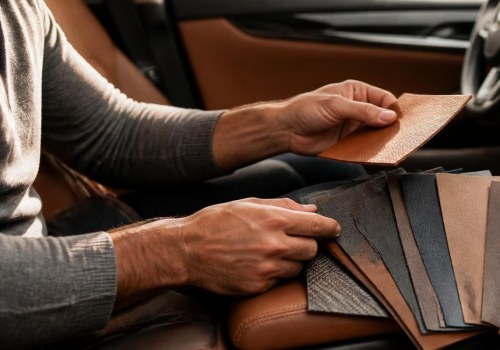
When it comes to car interior customization, the choice of materials plays a crucial role in ensuring safety. Selecting the right materials not only enhances the aesthetic appeal of the vehicle but also significantly impacts overall vehicle safety.Safe Materials for Car Interiors
- Polyurethane Foam: Commonly used in seats, this material is not only comfortable but also provides excellent energy absorption during collisions.
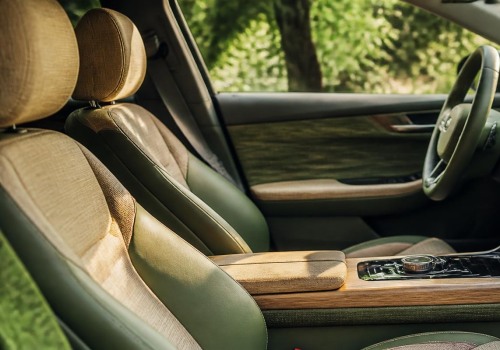
- Natural Fibers: Materials like wool and cotton are not only sustainable but also offer good fire resistance compared to synthetic options.
- High-Quality Plastics: Durable plastics that meet safety standards can be used for dashboards and trims, ensuring they do not shatter upon impact.
Impact of Materials on Vehicle Safety
The materials chosen for car interiors can influence how well a vehicle protects its occupants in the event of an accident. For instance, softer materials can help reduce injury risk by absorbing impact forces.
Conversely, hard surfaces may increase the likelihood of injury during a collision. Therefore, it is essential to consider how each material interacts with others within the vehicle's interior.
Fire-Resistant Materials for Cars
In addition to durability and comfort, fire resistance is a critical factor in material selection. The following materials are known for their fire-resistant properties:
- Nomex: Often used in racing cars, this aramid fiber is highly resistant to heat and flames.
- FRP (Fiber Reinforced Polymer): This composite material is lightweight yet offers excellent fire resistance, making it suitable for various interior components.
- Fire-Retardant Treated Fabrics: Upholstery fabrics treated with fire-retardant chemicals can significantly reduce flammability.
By choosing materials that are durable, impact-absorbing, and fire-resistant, car owners can create a safer driving environment for themselves and their passengers.
Airbag Compatibility and Modifications
When considering car interior customization, one of the most critical safety aspects to keep in mind is airbag compatibility. Airbags are designed to deploy in a specific manner, and any modifications made to the interior can potentially interfere with their effectiveness.Understanding Airbag Systems
- Airbags are equipped with sensors that detect collisions and deploy within milliseconds.
- They are strategically placed in various locations, including the steering wheel, dashboard, and side panels.
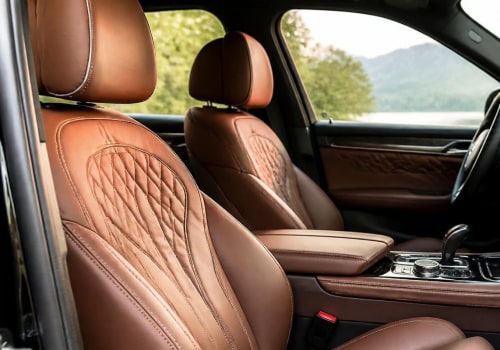
- Upholstery Changes: Replacing seats or altering seat covers can obstruct airbag deployment. Ensure that any new materials used do not cover or interfere with airbag locations.
- Dashboard Modifications: Adding aftermarket components or changing the dashboard layout can block airbag sensors. Always consult with a professional to ensure that modifications do not hinder airbag functionality.
- Steering Wheel Alterations: Custom steering wheels may not be compatible with the airbag system.
It’s crucial to use parts that are designed for your specific vehicle model.
Modifying Airbags: A Dangerous Choice
Some enthusiasts may consider modifying or even removing airbags for aesthetic reasons. However, this poses significant risks:
- Increased Injury Risk: Without functional airbags, the risk of injury during an accident dramatically increases.
- Legal Implications: Tampering with safety features can lead to legal consequences and may void insurance policies.
Visibility and Ergonomics in Customization
When considering car interior customization, one of the most critical aspects to evaluate is how these changes can impact visibility and ergonomics.Customizations that enhance the aesthetic appeal of a vehicle can inadvertently obstruct the driver's view or create discomfort during operation, which can lead to unsafe driving conditions.
Visibility Issues in Car Customization
Many modifications, such as adding oversized dashboard accessories or installing aftermarket screens, can block essential sightlines. For instance, a large GPS unit mounted on the dashboard may obscure the driver's view of the road or traffic signals. To maintain optimal visibility, it is crucial to:- Choose accessories that are compact and do not protrude into the driver's line of sight.
- Position any added devices in a way that they do not interfere with mirrors or windows.
- Ensure that window tints comply with local regulations to avoid reducing visibility.
Ergonomic Design in Cars
Ergonomics plays a vital role in ensuring that drivers maintain a comfortable and safe posture while driving. Customizing seats, steering wheels, and controls should prioritize comfort and accessibility.Here are some considerations:
- Seat Adjustments: Ensure that seats are adjustable to accommodate different body types and driving preferences. A seat that is too low or too high can lead to poor visibility.
- Steering Wheel Position: The steering wheel should be positioned for easy reach without straining the arms. Custom steering wheels should not obstruct any dashboard instruments.
- Control Accessibility: All controls should be easily reachable without requiring excessive movement from the driver. This includes climate controls, audio systems, and navigation tools.
By carefully considering these factors, drivers can ensure their modifications contribute positively to both safety and comfort on the road.
Potential Hazards of DIY Customization
When it comes to car interior customization, many enthusiasts are drawn to the idea of DIY projects. However, this approach can come with significant risks that may compromise both safety and functionality.Common Mistakes in DIY Customization
- Improper Material Selection: Using materials that are not fire-resistant or suitable for automotive use can lead to hazardous situations, especially in the event of an accident.
- Inadequate Installation: Failing to securely install components like seats or dashboards can result in them becoming loose during driving, increasing the risk of injury.
- Electrical Hazards: Modifying electrical systems without proper knowledge can lead to short circuits or even fires, posing a serious threat to vehicle occupants.
Risks of DIY Car Customization
The risks associated with DIY car interior customization extend beyond just physical safety. Poorly executed modifications can also affect the vehicle's resale value and warranty. For instance, if a DIY project leads to damage that requires professional repair, it may not be covered under warranty, resulting in unexpected costs.
Professional vs.
DIY Customization Safety
While DIY projects can be rewarding, hiring professionals for car interior customization ensures that safety standards are met. Professionals have the expertise to choose appropriate materials and techniques that comply with safety regulations. They also possess the necessary tools and experience to execute modifications correctly, minimizing the risk of accidents.In conclusion, while the allure of customizing your car's interior yourself is strong, it is crucial to weigh the potential hazards against the benefits of professional assistance. Prioritizing safety should always be at the forefront of any customization project.
Insurance Implications of Customization
When considering car interior customization, it’s crucial to understand the potential insurance implications that come with modifying your vehicle.Many car owners may not realize that alterations to the interior can significantly impact their insurance coverage.
Insurance for Customized Cars
- Insurance companies often view customized vehicles as higher risk due to the increased value and potential for theft. This means that your standard policy may not adequately cover your customized interior.
- Some modifications, such as high-end audio systems or custom upholstery, can raise the overall value of your car, which may necessitate a higher premium.
Impact of Modifications on Car Insurance
- Failure to report modifications can lead to denied claims. If your vehicle is damaged or stolen, and you haven’t informed your insurer about the customizations, you might find yourself underinsured.
- Insurance providers may require you to provide receipts or appraisals for significant modifications to ensure proper coverage.
Reporting Customizations to Insurance Companies
- It’s essential to communicate any changes to your insurance provider as soon as they occur. This includes anything from new seat covers to a complete dashboard overhaul.
- Some insurers offer specialized policies for customized vehicles, which can provide better coverage tailored to your specific needs.
Always keep your insurer informed to ensure you have the right coverage in place.
Frequently Asked Questions About Car Interior Customization Safety
When considering car interior customization, safety should always be a top priority. Here are some frequently asked questions that address common concerns regarding the safety aspects of modifying your vehicle's interior.What are the most common safety modifications for car interiors?
- Seat upgrades: Ensure that any new seats comply with safety standards and are properly secured to prevent movement during an accident.
- Steering wheel modifications: Choose steering wheels that maintain airbag functionality and do not obstruct driver visibility.
- Dashboard alterations: Avoid adding items that could become projectiles in a crash; keep the dashboard clear of unnecessary clutter.
Are aftermarket parts safe for car interiors?
Aftermarket parts can be safe if they are from reputable manufacturers and meet safety regulations. Always check for certifications and reviews before purchasing.What safety tips should I follow when customizing my car's interior?
- Research: Investigate the safety ratings of any products you plan to install.
- Professional installation: Consider hiring professionals for complex installations to ensure everything is fitted correctly.
- Avoid distractions: Customize your interior in a way that does not distract from driving, such as avoiding overly bright lights or excessive gadgets.
Conclusion: Prioritizing Safety in Car Interior Customization
In conclusion, car interior customization offers a unique opportunity to personalize your vehicle, but it is crucial to prioritize safety throughout the process. As we have discussed, various factors can impact the safety of your car's interior, from the materials used to the modifications made. First and foremost, always consider the materials you choose for your customizations.Opt for fire-resistant fabrics and non-toxic materials that do not emit harmful fumes. This is especially important for upholstery and dashboard modifications, where exposure to heat can lead to dangerous situations. Additionally, ensure that any changes made do not interfere with essential safety features such as airbags and seatbelts. For instance, installing aftermarket seats or altering the dashboard layout can inadvertently obstruct airbag deployment or compromise seatbelt effectiveness. Always consult with a professional who understands the implications of such modifications. Moreover, consider the ergonomics of your customizations.
While aesthetics are important, comfort and accessibility should not be sacrificed. Ensure that controls remain easily reachable and that visibility is not hindered by new installations. Finally, remember that legal regulations may apply to certain modifications. Familiarize yourself with local laws regarding vehicle modifications to avoid potential fines or safety inspections failures. By keeping these considerations in mind, you can enjoy a customized car interior that reflects your personal style while ensuring the safety of all passengers. Prioritizing safety in car interior customization not only protects you but also enhances your overall driving experience.