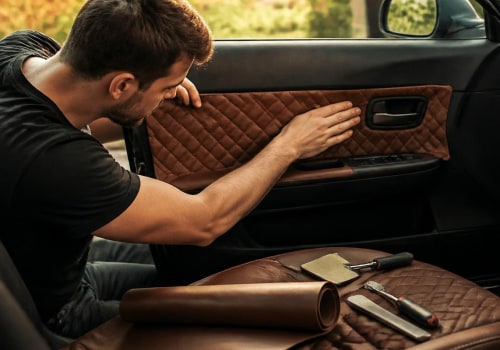
When it comes to car interior customization, one of the most overlooked aspects is soundproofing. Many drivers underestimate the impact that noise can have on their overall driving experience. Whether it's the hum of the engine, the roar of the wind, or the thumping bass from a nearby vehicle, unwanted sounds can create a distracting and uncomfortable environment. Understanding the importance of soundproofing your car is crucial for anyone looking to enhance their ride. Soundproofing not only contributes to a quieter cabin but also significantly improves comfort during long drives.
By minimizing external noise, you can enjoy your favorite music or podcasts without having to crank up the volume, which can lead to hearing damage over time. Additionally, a well-soundproofed car can enhance conversations with passengers, making road trips more enjoyable and less stressful. Moreover, investing in soundproofing is a vital part of car interior customization that adds value to your vehicle. A quieter cabin can lead to a more luxurious feel, making your car feel like a premium space rather than just a mode of transportation. As you explore various methods for soundproofing your car, you'll discover that these enhancements not only improve your driving experience but also contribute to the longevity of your vehicle by reducing wear and tear on components caused by excessive noise vibrations.
Common Sources of Noise in Cars
Understanding the common sources of noise in cars is essential for anyone looking to enhance their car interior customization efforts.Noise can stem from various factors, each contributing to an overall less enjoyable driving experience.
- Road Noise: This is one of the most prevalent types of noise encountered while driving. It originates from the interaction between the tires and the road surface. Factors such as tire type, tread pattern, and road conditions can significantly influence the level of road noise.
- Engine Noise: The sound produced by the engine can vary widely depending on the vehicle's make and model. Engine noise can be particularly noticeable during acceleration or when driving at high speeds.
This type of noise often penetrates the cabin, making it a key target for soundproofing efforts.
- Wind Noise: As vehicles travel at higher speeds, wind resistance increases, leading to wind noise that can seep into the car interior. This is especially true for vehicles with poor aerodynamics or those lacking proper seals around windows and doors.
- Vibration Noise: Components such as the engine, transmission, and suspension can create vibrations that translate into sound within the cabin. These vibrations can be exacerbated by worn-out mounts or inadequate insulation.
- Audio System Noise: While many drivers enjoy listening to music or podcasts while driving, poor-quality audio systems can introduce unwanted noise. This includes distortion from speakers or interference from electrical components.
Implementing soundproofing materials, improving seals, and choosing quieter tires are just a few strategies that can help mitigate these common sources of noise, ultimately enhancing your driving experience.
Materials for Soundproofing Your Car Interior
When it comes to soundproofing your car interior, selecting the right materials is crucial for achieving optimal results. Here are some of the most effective materials you can use:- Mass-Loaded Vinyl (MLV): This dense material is highly effective at blocking sound waves. MLV is often used in professional soundproofing applications and can be easily cut to fit various areas of your vehicle. Its weight helps to dampen vibrations, making it an excellent choice for reducing road noise.
- Acoustic Foam: While primarily used in studios, acoustic foam can also be beneficial in cars.
It absorbs sound rather than blocking it, which can help reduce echo and improve the overall acoustics inside your vehicle. Look for high-density foam that can be easily adhered to surfaces.
- Sound Deadening Mats: These mats are designed to be applied directly to the metal surfaces of your car. They work by converting sound energy into heat, effectively reducing noise levels. Brands like Dynamat and Noico offer products that are easy to install and provide significant sound reduction.
- Carpet Padding: Upgrading your car's carpet padding can also contribute to soundproofing efforts.
Thicker padding not only enhances comfort but also adds an extra layer of insulation against noise.
- Sealants and Weatherstripping: Ensuring that all gaps and seams are properly sealed can prevent unwanted noise from entering your vehicle. High-quality weatherstripping around doors and windows can significantly reduce wind and road noise.
DIY Soundproofing Techniques
Soundproofing your car interior can significantly enhance your driving experience by reducing unwanted noise from the road, engine, and outside environment. Here are some effective DIY soundproofing techniques that you can implement to achieve a quieter ride.- Apply Sound Deadening Mats: One of the most popular methods for DIY car soundproofing is using sound deadening mats.
These mats are designed to absorb vibrations and reduce noise. Start by removing the car's floor mats and any trim pieces that may obstruct access to the metal floor. Clean the surface thoroughly to ensure proper adhesion. Cut the sound deadening mat into manageable pieces and apply them directly to the metal surfaces, focusing on areas like the floor, doors, and trunk.
- Seal Gaps and Cracks: Noise can easily enter your vehicle through small gaps and cracks.
Inspect your car for any openings around windows, doors, and the trunk. Use a high-quality weather stripping or silicone sealant to fill these gaps. This not only helps in soundproofing but also improves energy efficiency by preventing air leaks.
- Add Acoustic Foam: For an extra layer of sound absorption, consider installing acoustic foam panels in your car. These panels can be placed on the interior surfaces of doors and the roof.
They are lightweight and can effectively dampen sound waves, making your car quieter.
- Upgrade Your Tires: Believe it or not, your tires can contribute significantly to road noise. Opt for tires designed for a quieter ride, which often feature specialized tread patterns and rubber compounds that minimize noise.
Professional Soundproofing Solutions
When it comes to professional car soundproofing, enlisting the help of specialists can significantly enhance your vehicle's interior acoustics. These experts utilize advanced techniques and high-quality materials that are often beyond the reach of DIY solutions.Services Offered by Soundproofing Specialists
- Consultation and Assessment: Professionals begin with a thorough evaluation of your vehicle to identify noise sources and recommend tailored solutions.
- Material Selection: Experts have access to premium sound-deadening materials, such as mass-loaded vinyl, acoustic foam, and specialized mats that effectively reduce noise transmission.
- Installation: Proper installation is crucial for maximizing soundproofing benefits.
Professionals ensure that materials are applied correctly, covering all necessary areas without gaps.
- Follow-Up Services: Many soundproofing services offer maintenance checks to ensure the longevity and effectiveness of the soundproofing materials.
Benefits of Professional Soundproofing
- Enhanced Comfort: A quieter cabin leads to a more enjoyable driving experience, reducing fatigue during long trips.
- Improved Audio Quality: Soundproofing minimizes external noise interference, allowing you to enjoy your music or conversations without distraction.
- Increased Resale Value: A well-soundproofed car can be more appealing to potential buyers, as it indicates a higher level of care and customization.
- Expertise and Warranty: Professional services often come with warranties, providing peace of mind regarding the durability and effectiveness of the work performed.
Maintaining Your Soundproofed Car Interior
Maintaining the effectiveness of your car's soundproofing materials is crucial for ensuring a quiet and comfortable driving experience. Over time, various factors can affect the performance of these materials, so regular checks and upkeep are essential.1.Regular Inspections
- Conduct routine inspections of your soundproofing materials, especially after long trips or exposure to extreme weather conditions. Look for signs of wear, such as peeling or cracking.
- Check the seals around doors and windows to ensure they are intact.
Damaged seals can allow noise to seep in, undermining your soundproofing efforts.
2.Cleaning Techniques
- Keep your car interior clean to prevent dirt and debris from accumulating on soundproofing materials. Use a vacuum with a soft brush attachment to gently remove dust without damaging the materials.
- Avoid using harsh chemicals that could degrade soundproofing materials. Instead, opt for mild cleaners that are safe for automotive use.
3.Temperature Considerations
- Extreme temperatures can affect the longevity of soundproofing materials. Park your car in shaded areas or garages whenever possible to minimize exposure to heat.
- In colder climates, ensure that moisture does not accumulate within the soundproofing layers, as this can lead to mold growth and material degradation.
4.Reapplication and Upgrades
- If you notice a significant decline in soundproofing effectiveness, consider reapplying or upgrading your materials.
Newer products may offer better performance and durability.
- Consult with professionals who specialize in car interior customization for recommendations on the best materials suited for your vehicle's needs.
Frequently Asked Questions About Car Soundproofing
When it comes to car soundproofing, many car owners have questions and misconceptions. Here are some of the most frequently asked questions:What are the most effective methods for soundproofing my car?
The most effective methods include:- Adding sound-deadening mats: These mats can be installed on the floor, doors, and trunk to absorb vibrations and reduce noise.
- Sealing gaps and cracks: Use weather stripping or sealant to close any openings that may allow noise to enter.
- Upgrading windows: Consider using laminated glass or window film to minimize outside noise.
- Installing acoustic panels: These can be placed strategically within the car to dampen sound waves.
Is it true that soundproofing my car will make it heavier?
Yes, adding materials for soundproofing can increase the weight of your vehicle. However, the added weight is often minimal compared to the benefits of a quieter ride. Many drivers find that the comfort and reduced fatigue during long drives outweigh any slight decrease in fuel efficiency.Can I soundproof my car myself?
Absolutely! Many soundproofing techniques can be done as a DIY project.With the right materials and tools, you can effectively reduce noise levels in your vehicle without professional help. However, if you're unsure about installation, consulting with a professional can ensure optimal results.
Are there any myths about car soundproofing?
- Myth: Soundproofing is only necessary for luxury cars.
- Fact: Any vehicle can benefit from soundproofing, regardless of its price point.
- Myth: Soundproofing will completely eliminate all noise.
- Fact: While soundproofing significantly reduces noise, it may not eliminate it entirely.
Conclusion: Enhancing Your Driving Experience Through Soundproofing
In conclusion, soundproofing your car interior is not just a luxury; it’s an investment in your overall driving experience. By implementing the various techniques discussed, you can significantly reduce unwanted noise, making your time on the road more enjoyable and less stressful.Throughout this article, we explored several effective methods for enhancing your vehicle's acoustics. From using sound-deadening mats to sealing gaps and upgrading your windows, each approach contributes to a quieter cabin.Additionally, we highlighted the importance of car interior customization, which allows you to tailor your soundproofing efforts to meet your specific needs and preferences.Here are some key benefits of soundproofing your car:
- Improved Comfort: A quieter environment reduces fatigue during long drives.
- Enhanced Audio Experience: Soundproofing allows you to enjoy music and conversations without interference from external noise.
- Increased Resale Value: A well-maintained, quiet car can attract potential buyers and command a higher price.
- Better Focus: Reduced distractions help you concentrate on the road, enhancing safety.